May 28, 2026
Water Heater Maintenance: What Homeowners Should Do Each Year
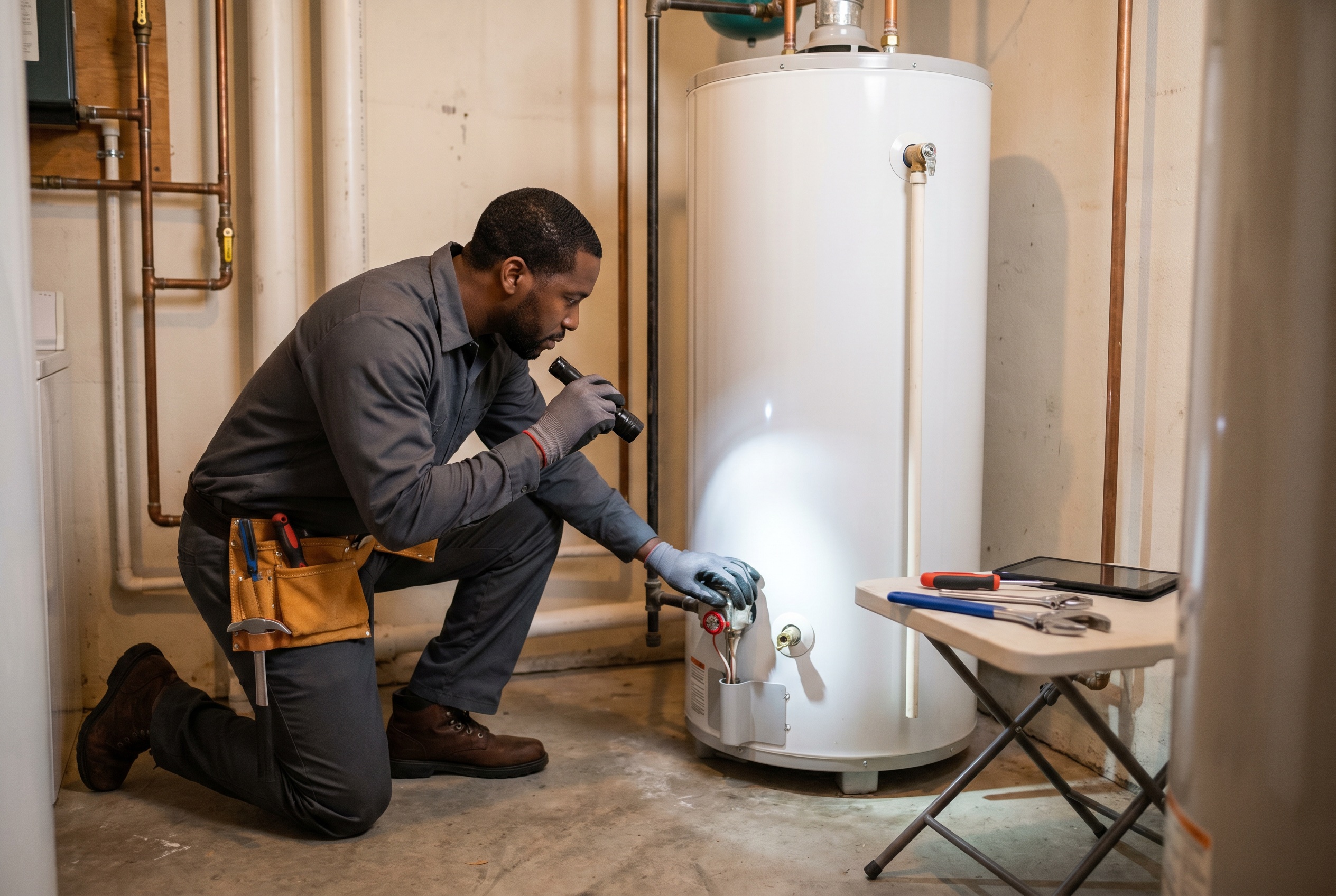
If you are looking into water heater maintenance, you are already doing the smart thing. Most water heaters do not fail out of nowhere. They usually lose efficiency, build up sediment, or start showing smaller warning signs before bigger problems appear.
That is why routine maintenance matters. A water heater is one of those systems homeowners depend on every day without thinking much about it until something goes wrong. Taking care of it each year can help you extend its lifespan, improve efficiency, and lower the odds of waking up to cold water or a leaking tank.
Why Water Heater Maintenance Matters
Water heaters work quietly in the background, but they deal with a lot of stress over time. Minerals in the water can collect inside the tank. Components wear down. Efficiency can slip. In tankless systems, scale buildup can affect performance if regular service is skipped.
Routine water heater maintenance helps catch those issues before they snowball. It can also help keep the unit operating more efficiently, which matters because water heating is one of the larger energy uses in many homes. The U.S. Department of Energy notes that water heating accounts for a significant share of household energy use, which is one reason maintenance and equipment condition are worth paying attention to. Their water heating guide is a useful homeowner resource.
If you want an overview of Bowman’s current services in this area, our water heater replacement and maintenance page is the best main reference point.
What Annual Maintenance Usually Involves
What maintenance looks like depends in part on whether you have a traditional tank water heater or a tankless unit. In a standard tank system, annual service often centers on checking for signs of corrosion, inspecting visible connections, testing components, and flushing sediment from the tank if needed.
Sediment buildup is one of the most common maintenance issues in tank systems. Over time, minerals settle at the bottom of the tank and can make the unit work harder than it should. That can affect efficiency, reduce available hot water, and add wear to the system.
Tankless systems have different needs. They still require maintenance, but the focus is more on cleaning, scale management, and preserving heat exchanger performance. That is one reason it helps to have maintenance done by someone familiar with the specific type of water heater in your home.
Signs Your Water Heater May Need Service
Some homeowners wait until something is obviously wrong, but it is better to catch early signs. If your hot water does not last as long as it used to, takes longer to recover, or seems less consistent from day to day, that can be a sign the unit needs attention.
Other signs are more visible. Rust-colored hot water, unusual sounds from the tank, moisture around the unit, or changes in performance can all point to maintenance issues. A tankless unit may also start behaving inconsistently if scale buildup is affecting operation.
Maintenance can solve some problems, but not all of them. If the unit is older and starting to show multiple signs of decline, you may be getting closer to replacement territory. In that case, Bowman’s guide to water heater replacement in Raleigh NC is a natural next read.
What Homeowners Can Do Themselves
There are a few basic things homeowners can keep an eye on without getting too hands-on. You can watch for visible leaks, pay attention to changing water temperature, and notice whether the system is making new noises. If your unit is in a utility room or garage, it also helps to keep the area around it clean and accessible.
That said, not every maintenance task makes sense as a DIY project. Depending on the system, flushing, descaling, checking components, or making adjustments may be better left to a professional. A lot depends on the type of unit, the age of the equipment, and how comfortable the homeowner is with plumbing-related service tasks.
Why Routine Service Can Save Money
Water heater maintenance is one of those things that can feel easy to postpone, especially when the system still seems to be working. But deferred maintenance often turns into higher operating costs, shorter equipment life, or bigger repairs later on.
Keeping the system clean and operating properly can help protect efficiency and reduce unnecessary wear. For households trying to get the most life out of an existing unit, routine service is often the cheapest way to avoid premature replacement. If you are already used to thinking in terms of whole-home upkeep, Bowman also has a broader preventative maintenance page that speaks to the value of regular service across home comfort systems.
When Maintenance Is No Longer Enough
Maintenance is helpful, but it is not magic. It can improve performance and extend lifespan, but it cannot undo tank failure, advanced corrosion, or age-related decline that has already reached the point of no return.
If your unit is older, unreliable, or showing repeated problems, maintenance may no longer be the best long-term investment. At that point, the conversation usually shifts from protecting the unit to deciding whether replacement would offer better value and fewer headaches.
Schedule Water Heater Service Before Problems Escalate
The best time to deal with water heater maintenance is before the system starts disrupting your routine. Annual service gives you a chance to catch wear early, keep the unit working efficiently, and reduce the chances of a bigger problem later.
If your system has not been checked in a while, Bowman Heating, Cooling, & Plumbing can help you stay ahead of issues and make informed decisions about maintenance versus replacement. To get started, visit our contact page and schedule service.
Frequently Asked Questions
How often should water heater maintenance be done?
Most homeowners should plan on water heater maintenance once a year, though exact timing can depend on the type of unit and local water conditions.
Do tankless water heaters need maintenance too?
Yes. Tankless systems still need regular service, especially to manage scale buildup and preserve performance.
What are signs my water heater needs maintenance?
Common signs include reduced hot water supply, inconsistent temperature, strange noises, rust-colored water, or moisture around the unit.
Can maintenance prevent water heater replacement?
It can help extend the life of the unit and delay replacement, but it cannot reverse major tank failure, advanced corrosion, or old age.
Categories

Let's Talk.
We’ll be happy to get you the pricing, service or information you need as soon as possible.