
🛠 NOW OFFERING PLUMBING SERVICES — CALL (919) 772-2759 🛠 NOW OFFERING PLUMBING SERVICES — CALL (919) 772-2759 🛠 NOW OFFERING PLUMBING SERVICES — CALL (919) 772-2759

Best Types of Whole House Humidifiers for Your Home

While you may give a lot of thought to the temperature of your home, you may not give enough thought to the moisture level in your home. Your home should have a humidity level of between 30 and 40 percent, and when it goes below that, you can begin experiencing a variety of issues, including dry, itchy skin, chapped lips, nosebleeds, and respiratory problems. Air that’s too dry can also cause the wood in your home to dry, crack, and split, including hardwood floors, furniture, and window or door frames. Having a whole-home humidifier can improve indoor air quality and keep moisture levels at a consistent rate, but which kind should you get? We’re looking at how to choose the right option for your home.

Three Types of Whole Home Humidifiers

There are three types of whole-house humidifiers, all of which monitor relative humidity levels to keep your home at a consistent level.

Evaporative Humidifier

An evaporative humidifier relies on a direct water line to keep water flowing to a humidifier pad. As heated, dry air from your furnace passes over the humidifier pad, it evaporates the moisture and absorbs it, increasing the humidity level through your home.

You can either choose a bypass humidifier or a powered option. The bypass humidifier redirects air from the furnace over the humidifier pad and allows you to close the damper when you don’t need the humidifier running. A powered humidifier relies on a fan to pull water across the pad which distributes moisture through the ducts more effectively.

Both of these options can be switched off during summer months when humidity is higher, and the both run on minimal to no electricity. However, only around 20 to 30 percent of the water collected in the tray converts into humidity, so it’s important to empty or drain excess water regularly.

Steam Humidifier

A steam humidifier stores water in a container rather than in a humidifier pad. The canister boils the stored water into steam which transfers into the ducts and is blown through your home using the furnace’s blower fan. While they do use electricity to add humidity to the air, they are more efficient when converting water into steam and providing consistent humidity levels.

Self-Contained Humidifier

If you don’t have central heating with ductwork running through your home, a self-contained whole-home humidifier is an option you need to choose. They can be placed in a central area of the home, such as a closet or laundry area where there is access to water, electricity, and a drain, and use a fan to force damp air through the home.

Choosing the Right Size of Humidifier

Whole home humidifiers are available in several sizes, and choosing the wrong one may mean your home struggles to maintain the proper moisture level or is putting too much humidity in the air. You’ll need to determine your building volume which is determined by your home’s approximate square feet multiplied by the height of your ceilings. For example, if your home is 1,500 square feet, and you have 8-foot ceilings, your cubic footage is approximately 12,000.

You’ll also want to look at how efficient your home is. If it’s drafty, poorly insulated, or has single pane, outdated windows, you’ll need to take these factors into account. If your house loses heated or cooled air through leaks and drafts, chances are, it will lose humidified air, too.

Get a FREE Quote for Whole Home Humidifier Installation in Garner

If you’d like to learn more about home humidifiers or get a free quote for installation, we can help. Call us at [phone] or fill out the form below to reach out to a member of our team and get started.

Choosing a Gas or Electric Furnace

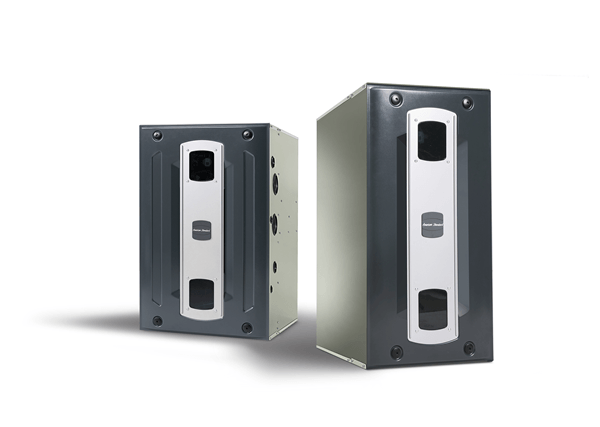
AS furnace from bowman mechanical services

You want your home to be warm and comfortable this winter, but you also want to minimize the costs of installing a new furnace and keep your energy bills low. If you’re replacing your existing unit, you’re probably debating between electric and gas heat, but which one is better? Our furnace repair company in Garner is breaking down the pros and cons of both options to help you make the best choice.

How a Furnace Works

Whether you choose a gas or electric option, both are forced air systems that kick into gear when the thermostat registers below a set temperature and sends a signal to the furnace. With a gas furnace, the signal triggers the pilot to ignite gas within the furnace, creating a combustion within the heat exchanger that warms cool air entering the chamber.

An electric furnace works when the signal triggers to ignite electric heating elements to warm the air within the exchange. In both furnaces, the warmed air is then pushed through the ducts by a blower where it circulates through the home. At the same time, cool air is pulled into the intake vent to the heat exchange where it is warmed and recirculated.

Choosing a Gas Furnace

Gas furnaces are the more common option, but that doesn’t necessarily mean they are best for your home. Let’s consider the benefits and drawbacks of a gas furnace first.

Benefits of a Gas Furnace

Gas furnaces tend to heat air more efficiently, which means they can warm a home more quickly and keep it warmer. Also, they’re generally reliable, lasting around 20 years with proper maintenance. This makes them a wise choice in cold climates, like the Northeast and Midwest.

Drawbacks to a Gas Furnace

The main concern with gas heat is the safety issue. Anytime you’re dealing with natural gas or propane, there’s a concern about carbon monoxide, so it’s essential that your furnace is installed by an experienced technician who can seal the equipment properly and ensure there are no leaks. Additionally, you’ll need regular professional maintenance to keep it running smoothly and to have it checked for any leaks that could be a safety hazard.

Additional concerns for a gas furnace are that they are more expensive to purchase and install than an electric furnace, so while you’ll have less expensive energy bills, you’ll pay more upfront for the unit.

Choosing an Electric Furnace

The benefits and drawbacks of an electric furnace are basically the opposite of a gas furnace.

Benefits of an Electric Furnace

If you’re concerned about the upfront cost of the unit and installation, an electric furnace may be the better option as they are often much less expensive, and, with proper maintenance, they can last up to 30 years. Additionally, electric furnaces are safer as there is no natural gas involved, which also means quieter operation.

Drawbacks of an Electric Furnace

The main concern of an electric furnace is that they are less efficient in how they heat your home, so you may see higher energy bills. Because North Carolina has more mild winters, this may not be as serious of an issue as it is in a place with a colder climate, but it’s important to consider the long-term costs of keeping your home comfortable through the winter.

Get a Free Quote for Furnace Installation in Garner Today

If you need a new furnace and are debating between gas and electric, we can help you make the right decision for your home and budget. Call us at [phone] or fill out the form below to contact a member of our team and schedule a free quote today.

4 Signs You Need to Change Your Furnace Filter

Your furnace filter keeps dust, pet dander, and other contaminants out of your furnace and duct system to keep the unit clean and protect the components. You know you’re supposed to change the filter to keep your furnace running properly, but how do you know when it’s time to do so? To help you keep your furnace running smoothly, our furnace repair company in Garner is sharing the four signs it’s time to change your furnace filter.

Know Your Furnace Filter

First, there’s not really a universal timeline for changing your filter as there is such a wide variety of furnace filters on the market. Typically, the manufacturer will label the filters with a recommendation on how often you should switch them out, but in general, the thinner the filter, the sooner you should change it.

  • 1-2″ filters should be changed at least every three months;
  • 3-4″ filters should be changed at least every six to nine months;
  • 5-6″ filters should be changed at least every 9-12 months.

Those are the maximum lifespans. Lifestyle and household factors can shorten the timespan significantly. Consider these factors:

  • Household size: More people bring in more contaminants and pollutants. A household of five people would change their filter more frequently than a single person living alone.
  • Pets: Cats and dogs shed hair and dander which will work its way into furnace filter. One pet can reduce the lifespan of a filter by as much as a month, and additional pets reduce it even more.
  • Air quality: If the quality of your air is poor, expect to change the filter more often. High pollen season, high pollution in an urban area, and similar factors can all cause your filter to get clogged more quickly.

4 Signs It’s Time to Change the Furnace Filter

If you’re not sure when the last time you changed the filter was, or you’re not sure if it’s too soon, these are clear signs it’s time to replace your furnace filter.

Poor Airflow

One of the top signs that you need to change your furnace filter is low airflow coming out of the vents. A clogged filter doesn’t allow air into the unit, so the output will be decreased, too. Changing the filter should restore your airflow levels.

Excess Dust

If you check your air filter and there’s a layer of dirt, it’s definitely time to replace the filter. However, excess dust around the vents, the intake vent, and more dust on surfaces around your home are also a sign that it’s time to change out the filter.

Increase in Allergy Symptoms

Frequent sneezing, sniffling, and coughing are all a sign that the air filter needs to be replaced. Instead of filtering out allergens, they’re able to flow more freely around your home, aggravating symptoms and worsening your air quality.

Heating Bill Rises

When your furnace filter is clogged and dirty, fresh air can’t freely flow into the unit, so it’s going to work harder to keep your home comfortable. This will reflect in higher heating bills, so if you see a spike in your energy bill, check your furnace filter to see if changing it will improve the air flow and efficiency.

Call Us for Furnace Repair and Maintenance in Garner

If you’ve changed the furnace filter and it’s not working as it should, give us a call for furnace repair. Our experienced technicians can diagnose the issue and have it running smoothly in no time. Call us today at [phone] or fill out the form below to schedule service.

What Is a Plenum (And Why Is It Important)?

When changing the air filter in your HVAC unit, you’ll probably find it between the two plenums. Or, if you’re having difficulty with air flow coming from your air conditioner or furnace, the HVAC technician may say something about replacing the plenums. So, what is a plenum? Our air conditioner repair company is answering this question, explaining why they’re important and how to know if yours may be malfunctioning.

What Is a Plenum?

The plenums, or plenum boxes are responsible for moving heated and cooled air through the house and back through the unit. Nearly all HVAC units have two boxes, the supply and return.

Supply Plenum Box

The supply plenum box is connected to the supply unit of the furnace, air conditioner, or heat pump. Once the air is heated or cooled, it goes into the plenum box and is then moved into your ducts and through your home.

Return Plenum Box

After the air has circulated out through the vents, it can be pulled back through the return vent to be warmed or cooled again. The air goes through the air filter into the return plenum box, and is then warmed or cooled and sent back into the supply plenum to the ducts.

Signs of Problems with a Plenum Box

The plenum box is more of a storage container for air as it moves into and out of the unit, so having the proper size box along with air hoses at the proper angle going into the boxes is necessary to keep air flowing as it should. For example, if the duct going into the return plenum is at a sharp angle, the air will slow to a halt and won’t properly flow into the filter then into the plenum box.

If the plenum box is the wrong size or isn’t connected efficiently, you may experience frozen coils or a malfunctioning heat exchange. Try changing the air filter first because if it’s clogged, air can’t move into the return plenum box. If it’s clean, the ducts may need to be professionally cleaned or the box itself may need repaired.

Can I Replace a Plenum Box Myself?

If your plenum box has failed, you may want to save some money by repairing or replacing it yourself. While the component doesn’t look complicated, if it’s not installed properly to allow proper air flow, your unit’s coils can freeze, the furnace can trip, and over time the compressor itself may malfunction. Relying on a certified, experienced HVAC technician for plenum box repair and other heating and air conditioning repair will ensure the job is done correctly and your system can keep your home warm or cool as you need it.

Schedule AC Repair Service in Garner Today

If your furnace, air conditioner, or heat pump isn’t working as it should – it keeps freezing up, overheating, or there’s diminished air flow – and you’re concerned about the plenums, call our experienced team. We have proudly served Garner, South Raleigh, and the surrounding area for over 40 years and will have your HVAC system running smoothly in no time. Schedule service today by calling [phone] or filling out the form below.

Benefits of UV Light for Your HVAC System

If you suffer from respiratory issues, struggle with seasonal allergies, or simply want to live in a home that’s as clean and healthy as possible, it may be time to consider installing UV lights in your HVAC system. To help you determine if this is the right step for you, we’re sharing how UV lights in duct work and HVAC units work to improve air quality and the benefits you can experience.

How UV Lights for HVAC Systems Work

While most people think of UV rays that can cause sunburns and even skin cancer, UV light can actually be a powerful tool used in sterilization and sanitization. In the 1990s, hospitals and healthcare facilities began using UV lights to rapidly and effectively sterilize equipment and sanitize air. Manufacturing companies began adopting the practice, and today, it can be used to sterilize products in food and drug industries.

Because UV light can be used to kill mold, bacteria, viruses, and other microorganisms, they are being installed in HVAC systems to improve the air quality in homes and businesses. The two main methods of doing so are by coil installation and duct work installation.

Coil UV Lights

Coil UV lights are installed within the air handling unit inside the home, specifically placed over the evaporator coil. Because this is what absorbs the heat from the home, condensation often forms on the coil, making it a breeding ground for mold and bacteria. The spores and microorganisms then enter the duct system and blow through the home, triggering respiratory problems, headaches, and other symptoms. By installing a UV light over the coil, the condensation forms, but the bacteria and mold don’t. This method is both effective at improving air quality and also cost-effective.

Duct UV Lights

Ductwork UV lights, or air sterilization lights, are installed within the HVAC system’s return vent. As airborne allergens, including bacteria, mold, viruses, pet odors, dander, and other contaminants are pulled into the return vent, they are exposed to UV light and eliminated. This light is wired to the HVAC system and turns on and off with the blower motor. While this method is more expensive than the coil light method, it’s much more effective at whole home air quality improvement.

Four Benefits of Using UV Lights in Your HVAC System

Now that you understand how UV lights for your HVAC system work, let’s consider the four benefits you’ll experience by having them installed in your home or business.

Improve Air Quality and Reduced Illness

The number one reason is to improve your home’s air quality. If you or another household member suffer from allergies, asthma, contaminants, pollutants, and mold spores in your air may be to blame. With the UV light eliminating these issues, you and your family can breathe easily.

In addition to the day-to-day contaminants in the air, UV light also kills bacteria and viruses, so colds, the flu, and other illnesses that are airborne can be significantly reduced as they won’t be circulating through your home. An added bonus is that odor-causing bacteria is also eliminated from your home’s air, creating a cleaner, fresher home.

Fewer Odors

Instead of trying to cover up odors caused by pets, cooking, and old carpet and furniture, having a UV light for HVAC systems can actually eliminate these odors. By killing bacteria, airborne odors are effectively eliminated, making your home smell clean and fresh.

Improve Airflow

Dust is made up of bacteria, pollen, and fine particulate, and over time, it builds up around the vents, air filters, and in the ducts themselves, choking off airflow and making your HVAC system work harder. By keeping mold and microbial build up off your air filters and coil, and eliminating the source of dust and contaminants, your HVAC system will have improved airflow. This improves efficiency and increases its lifespan while making your home more comfortable.

Increase Energy Efficiency

When your HVAC system is clean and has optimized airflow, like we mentioned above, it doesn’t have to work as hard. This, coupled with less dust getting caught in the air filter and no mold or biofilm coating the coils, and the system can work at its most efficient level, reducing your energy bills and making it more affordable to keep your home at the proper comfort level for your family.

Call Us to Improve Your Air Quality Today

If you’d like to learn more about improving your home’s air quality, from whole home filtration to UV lights in your HVAC system, reach out to us today. We provide comprehensive air quality control in Raleigh, Garner, and the surrounding areas. Call us at [phone] or fill out the form below to get started.