
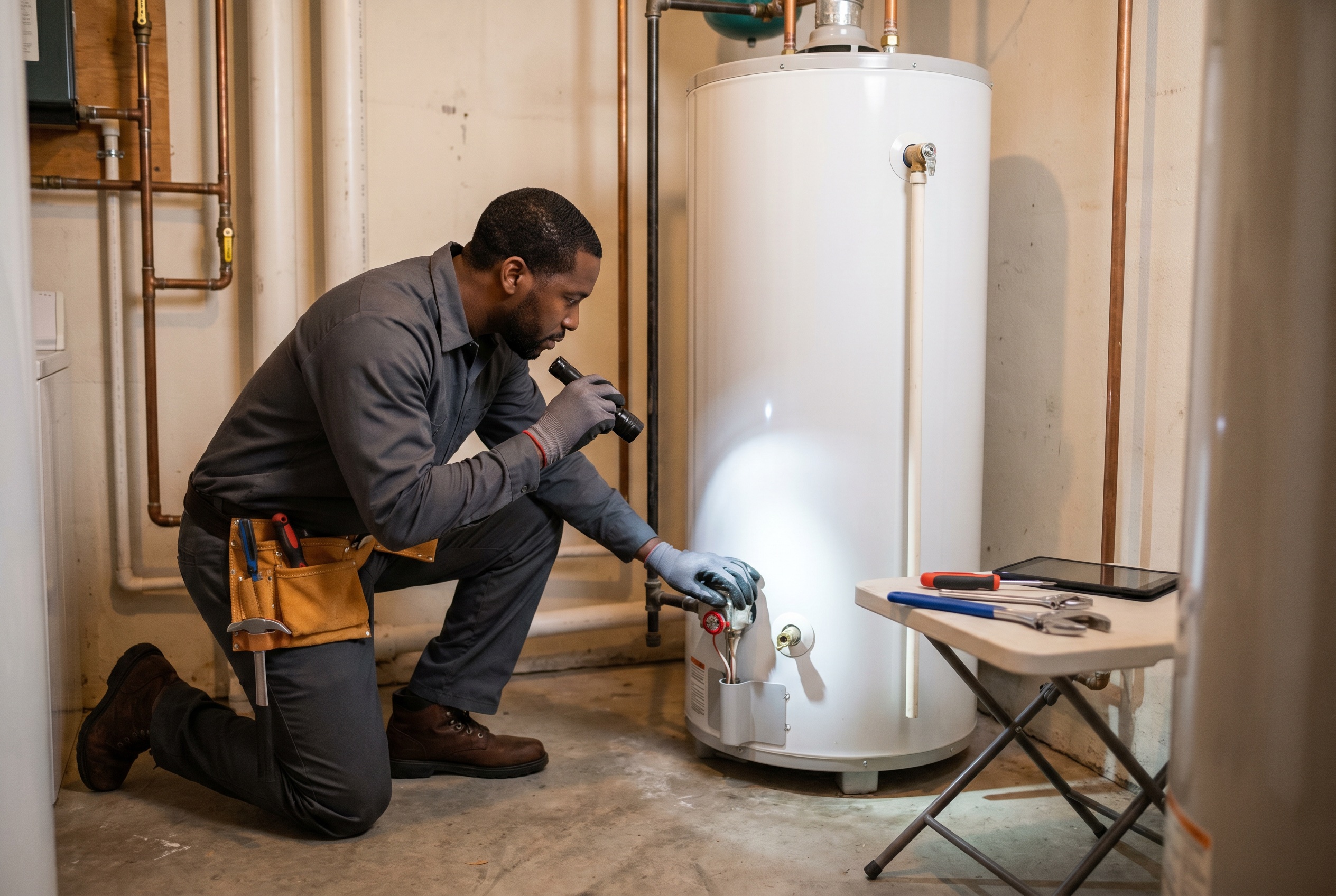
Water Heater Maintenance: What Homeowners Should Do Each Year

If you are looking into water heater maintenance, you are already doing the smart thing. Most water heaters do not fail out of nowhere. They usually lose efficiency, build up sediment, or start showing smaller warning signs before bigger problems appear.


That is why routine maintenance matters. A water heater is one of those systems homeowners depend on every day without thinking much about it until something goes wrong. Taking care of it each year can help you extend its lifespan, improve efficiency, and lower the odds of waking up to cold water or a leaking tank.

Why Water Heater Maintenance Matters

Water heaters work quietly in the background, but they deal with a lot of stress over time. Minerals in the water can collect inside the tank. Components wear down. Efficiency can slip. In tankless systems, scale buildup can affect performance if regular service is skipped.


Routine water heater maintenance helps catch those issues before they snowball. It can also help keep the unit operating more efficiently, which matters because water heating is one of the larger energy uses in many homes. The U.S. Department of Energy notes that water heating accounts for a significant share of household energy use, which is one reason maintenance and equipment condition are worth paying attention to. Their water heating guide is a useful homeowner resource.


If you want an overview of Bowman’s current services in this area, our water heater replacement and maintenance page is the best main reference point.

What Annual Maintenance Usually Involves

What maintenance looks like depends in part on whether you have a traditional tank water heater or a tankless unit. In a standard tank system, annual service often centers on checking for signs of corrosion, inspecting visible connections, testing components, and flushing sediment from the tank if needed.


Sediment buildup is one of the most common maintenance issues in tank systems. Over time, minerals settle at the bottom of the tank and can make the unit work harder than it should. That can affect efficiency, reduce available hot water, and add wear to the system.


Tankless systems have different needs. They still require maintenance, but the focus is more on cleaning, scale management, and preserving heat exchanger performance. That is one reason it helps to have maintenance done by someone familiar with the specific type of water heater in your home.

Signs Your Water Heater May Need Service

Some homeowners wait until something is obviously wrong, but it is better to catch early signs. If your hot water does not last as long as it used to, takes longer to recover, or seems less consistent from day to day, that can be a sign the unit needs attention.


Other signs are more visible. Rust-colored hot water, unusual sounds from the tank, moisture around the unit, or changes in performance can all point to maintenance issues. A tankless unit may also start behaving inconsistently if scale buildup is affecting operation.


Maintenance can solve some problems, but not all of them. If the unit is older and starting to show multiple signs of decline, you may be getting closer to replacement territory. In that case, Bowman’s guide to water heater replacement in Raleigh NC is a natural next read.

What Homeowners Can Do Themselves

There are a few basic things homeowners can keep an eye on without getting too hands-on. You can watch for visible leaks, pay attention to changing water temperature, and notice whether the system is making new noises. If your unit is in a utility room or garage, it also helps to keep the area around it clean and accessible.


That said, not every maintenance task makes sense as a DIY project. Depending on the system, flushing, descaling, checking components, or making adjustments may be better left to a professional. A lot depends on the type of unit, the age of the equipment, and how comfortable the homeowner is with plumbing-related service tasks.

Why Routine Service Can Save Money

Water heater maintenance is one of those things that can feel easy to postpone, especially when the system still seems to be working. But deferred maintenance often turns into higher operating costs, shorter equipment life, or bigger repairs later on.


Keeping the system clean and operating properly can help protect efficiency and reduce unnecessary wear. For households trying to get the most life out of an existing unit, routine service is often the cheapest way to avoid premature replacement. If you are already used to thinking in terms of whole-home upkeep, Bowman also has a broader preventative maintenance page that speaks to the value of regular service across home comfort systems.

When Maintenance Is No Longer Enough

Maintenance is helpful, but it is not magic. It can improve performance and extend lifespan, but it cannot undo tank failure, advanced corrosion, or age-related decline that has already reached the point of no return.


If your unit is older, unreliable, or showing repeated problems, maintenance may no longer be the best long-term investment. At that point, the conversation usually shifts from protecting the unit to deciding whether replacement would offer better value and fewer headaches.

Schedule Water Heater Service Before Problems Escalate

The best time to deal with water heater maintenance is before the system starts disrupting your routine. Annual service gives you a chance to catch wear early, keep the unit working efficiently, and reduce the chances of a bigger problem later.


If your system has not been checked in a while, Bowman Heating, Cooling, & Plumbing can help you stay ahead of issues and make informed decisions about maintenance versus replacement. To get started, visit our contact page and schedule service.

Frequently Asked Questions

How often should water heater maintenance be done?

Most homeowners should plan on water heater maintenance once a year, though exact timing can depend on the type of unit and local water conditions.

Do tankless water heaters need maintenance too?

Yes. Tankless systems still need regular service, especially to manage scale buildup and preserve performance.

What are signs my water heater needs maintenance?

Common signs include reduced hot water supply, inconsistent temperature, strange noises, rust-colored water, or moisture around the unit.

Can maintenance prevent water heater replacement?

It can help extend the life of the unit and delay replacement, but it cannot reverse major tank failure, advanced corrosion, or old age.
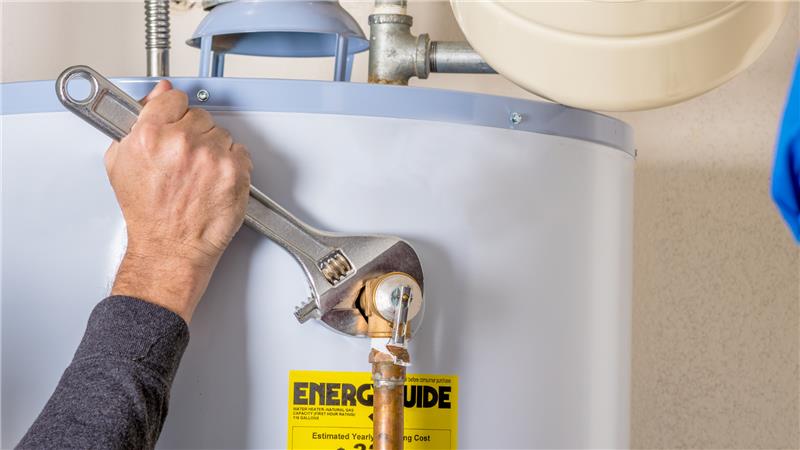
Water Heater Replacement Raleigh NC: When to Repair and When to Replace

Water Heater Replacement Raleigh NC: When to Repair and When to Replace

If you are researching water heater replacement Raleigh NC, there is a good chance your current unit is starting to show its age. Maybe you are running out of hot water faster than usual, noticing rust-colored water, hearing strange noises from the tank, or wondering whether another repair is really worth the money.


That is a common place for homeowners to land. Water heaters usually do not fail all at once without warning. More often, they start giving off small signs that performance is slipping. Knowing when to repair and when to replace can help you avoid a cold-shower emergency and make a smarter long-term decision for your home.

Water Heater Replacement Raleigh NC Homeowners Should Understand

When people think about replacing a water heater, they often focus on the upfront cost first. That makes sense, but it is only part of the picture. The better question is whether your current unit is still a good investment or whether you are putting money into a system that is already on the way out.


In many cases, a repair makes sense when the problem is isolated and the unit still has useful life left. A thermostat issue, a heating element problem, or a minor component replacement can be worthwhile if the rest of the system is in decent condition. But if the water heater is older, leaking, corroded, or having repeated problems, replacement usually becomes the better financial decision.

Signs a Water Heater May Be Nearing the End

Age is one of the biggest factors. Many standard tank water heaters last around 8 to 12 years, though actual lifespan depends on maintenance, water quality, usage, and installation conditions. Tankless systems can often last longer, but they still need proper service and can still become inefficient or unreliable over time.


A leaking tank is one of the clearest signs that replacement is likely the right move. Once the tank itself begins to fail, that is generally not something worth patching. Rust-colored hot water, inconsistent temperatures, rumbling or popping sounds, and a shrinking supply of hot water are also strong signs that the unit may be wearing out.


If your current water heater is showing a few of those symptoms at once, it is usually smarter to think in terms of replacement rather than squeezing out one more short-term fix.

When a Repair Still Makes Sense

Not every problem means you need a new unit. If the water heater is relatively new and the issue is limited to a replaceable component, repair can still be the right call. That is especially true when the unit has been maintained well and the problem is straightforward.


This is where honest diagnosis matters. Homeowners do not want to be pushed into replacing equipment unnecessarily, but they also do not want to pay for repairs that only buy a little extra time. A good contractor should help you understand what failed, what the repair would accomplish, and whether that money is better put toward replacement instead.


Bowman’s water heater page is a good starting point if you want to see how the company frames replacement, repair, and tankless options together.

How Replacement Can Save Money Over Time

Even when replacement costs more upfront, it can still be the better value over the long run. An older water heater often becomes less efficient as sediment builds up, components wear down, and performance starts slipping. That can mean higher energy use, less reliable hot water, and more repair calls over time.


A newer system can improve reliability and efficiency while reducing the chance of a sudden failure. According to the U.S. Department of Energy, water heating is one of the largest energy expenses in many homes, so efficiency does matter when choosing a replacement. Their water heating guide is a solid homeowner reference.


If budget is part of the equation, it also makes sense to look at financing early instead of waiting until the old unit fails completely. Bowman’s financing page can help homeowners explore those options before the decision turns urgent.

Tank or Tankless: Which Direction Makes Sense?

Replacement is also the point where some homeowners start thinking about tankless systems. That can be a good fit in the right home, especially for households interested in longer equipment life or different hot water delivery expectations. But tankless is not automatically the right answer for everyone.


A standard tank system may still be the better fit depending on your home, usage patterns, and budget. What matters most is choosing equipment that matches the household rather than assuming the newest or most talked-about option is always best.


ENERGY STAR also notes that high-efficiency water heaters, including certain heat pump and tankless models, can reduce energy use when properly selected and installed. Their water heater overview is useful if you want to compare efficiency options at a high level.

Why Maintenance Still Matters After Replacement

One mistake homeowners make is thinking a new water heater means they can ignore it for the next decade. Replacement solves the immediate problem, but maintenance still plays a big role in protecting the new unit. That is especially true for tankless systems, which need regular service to perform their best.


Routine maintenance can help extend lifespan, preserve efficiency, and reduce the chance of early problems. Bowman also offers maintenance options for both tank and tankless units, so homeowners do not have to treat the new system like a set-it-and-forget-it appliance.

When to Move Forward with Replacement

If your water heater is older, unreliable, leaking, or showing multiple warning signs, waiting too long can leave you with a bigger mess and a more urgent decision. Replacement is often easier to manage when you can plan it instead of dealing with it after a full failure.


If you are weighing repair versus replacement, Bowman Heating, Cooling, & Plumbing can help you look at the full picture and choose the option that makes the most sense for your home. To learn more or request service, visit the contact page.

Frequently Asked Questions

How long does a water heater usually last?

Many tank water heaters last around 8 to 12 years, while tankless systems can often last longer with proper maintenance.

Should I repair or replace my water heater?

If the unit is newer and the issue is minor, repair may make sense. If it is older, leaking, or having repeated problems, replacement is usually the better long-term move.

What are the warning signs that I need a new water heater?

Common signs include leaking, rusty hot water, inconsistent water temperature, unusual noises, and a shorter supply of hot water.

Is tankless always better than a standard tank water heater?

Not always. Tankless can be a great fit, but the best choice depends on your home, usage habits, and budget.