🛠 NOW OFFERING PLUMBING SERVICES — CALL (919) 772-2759 🛠 NOW OFFERING PLUMBING SERVICES — CALL (919) 772-2759 🛠 NOW OFFERING PLUMBING SERVICES — CALL (919) 772-2759

Tank vs Tankless Water Heater: What Raleigh Homeowners Should Know

Comparing tank vs tankless water heater options? You’re probably trying to answer a practical question: which one makes the most sense for your home? That usually comes up when an older unit starts failing, hot water becomes less reliable, or you are planning ahead before a full replacement becomes urgent.


Both types of systems can work well, but they do not offer the same experience. The right fit depends on your home, your hot water habits, your budget, and how long you plan to stay in the house. A good decision is usually less about chasing trends and more about choosing the system that matches the way your household actually uses hot water.

What Makes a Tank Water Heater a Good Fit

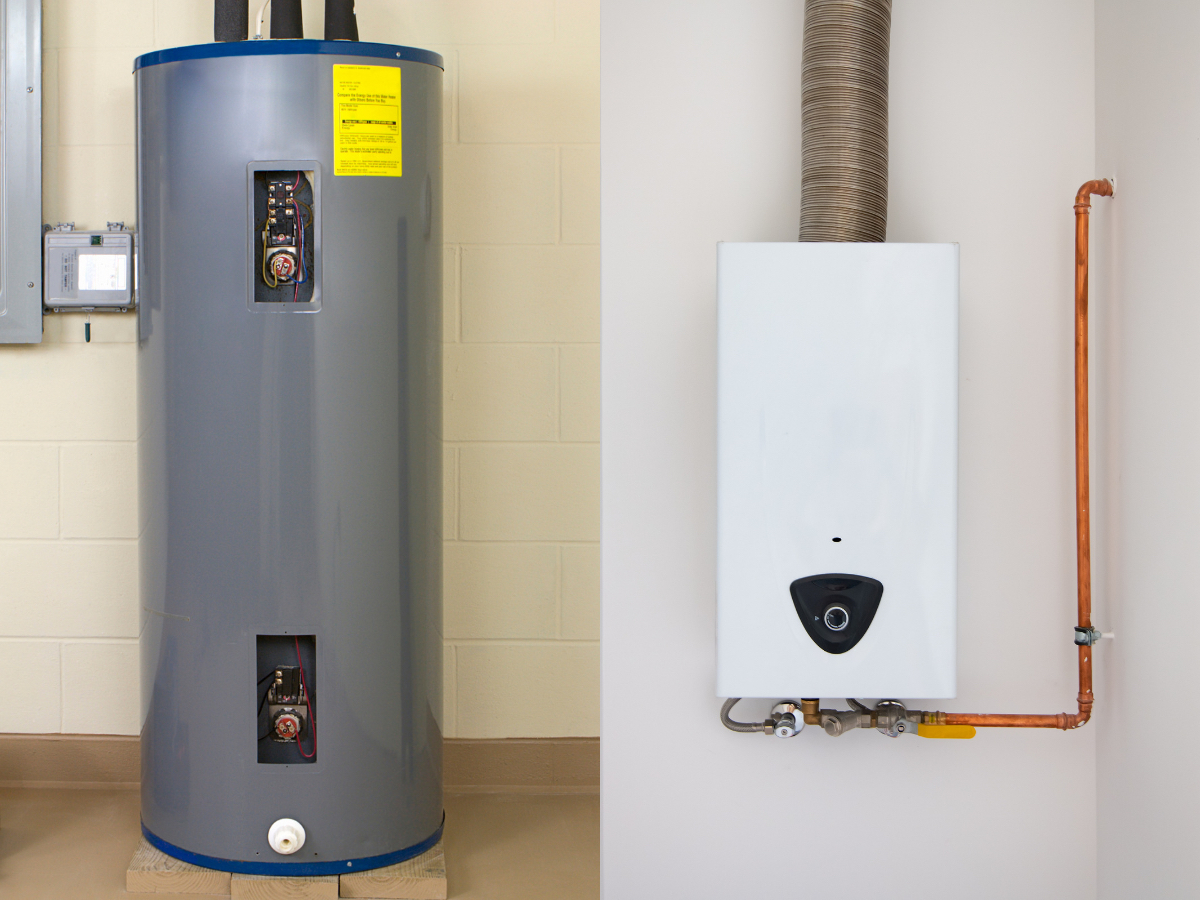
A traditional tank water heater stores a set amount of heated water and keeps it ready for use. For many homeowners, that setup is familiar, straightforward, and cost-effective on the front end. Tank systems are usually less expensive to install than tankless models, which is one reason they remain a common choice.


They can also be a very practical fit for homes that want a simpler replacement path. If your current system is already a tank unit and it has served your household well, replacing it with another tank model may be the most direct and affordable option.


Bowman’s water heater replacement and maintenance page is a useful starting point if you want to see how the company approaches both standard and tankless systems.

What Makes a Tankless Water Heater Appealing

A tankless system heats water as it is needed rather than storing it in a tank. That can make it attractive to homeowners who want a more compact setup or are looking for longer-term efficiency benefits. In the right home, tankless can also provide a steadier hot water experience without the same storage limitations as a tank unit.


That said, tankless is not automatically better just because it is newer or more efficient on paper. It still needs to be a good fit for the home and household demand. Installation cost is often higher, and maintenance still matters.

Tank vs Tankless Water Heater Costs

Cost is one of the first things homeowners look at, and for good reason. In most cases, a tank water heater has the lower upfront replacement cost. A tankless unit often costs more to purchase and install, especially if changes are needed to accommodate the new setup.


That higher upfront cost can still make sense for some households, particularly if long-term efficiency, space savings, or expected equipment life are major priorities. But it should be weighed against how much hot water the household uses and whether the added investment will actually pay off in your situation.


If your current water heater is already failing and you are trying to decide whether to repair it or move toward replacement, Bowman’s guide to water heater replacement Raleigh NC is a helpful companion read.

Maintenance and Long-Term Upkeep

Maintenance is part of the conversation with either type of unit. Tank water heaters can develop sediment buildup over time, which affects efficiency and can shorten equipment life if it is ignored. Tankless systems do not have a storage tank, but they still need regular service, especially when scale buildup becomes a factor.


That is one reason tankless ownership should not be viewed as maintenance-free. It is different maintenance, not no maintenance. Homeowners who want to protect either kind of system should plan on regular service rather than waiting until performance starts slipping.


For a closer look at that side of the equation, Bowman’s post on water heater maintenance is the natural next stop.

Efficiency, Lifespan, and Everyday Use

Tankless systems often get attention for efficiency, and that can be a real benefit in the right home. The U.S. Department of Energy notes that water heating is a major energy expense in many households, which is why system efficiency matters over time. Their water heating guide gives a useful homeowner overview.


ENERGY STAR also explains that efficient water heater options can reduce energy use, though the best fit depends on the equipment type and household needs. Their water heater resource page is worth reviewing if efficiency is a top concern.


Even so, everyday use matters just as much as efficiency ratings. A household with higher simultaneous hot water demand may evaluate these systems differently than a smaller household with lighter usage patterns. What looks best on paper is not always what performs best in real life for a specific home.

Which Type Makes More Sense for Your Home

For some Raleigh-area homeowners, a standard tank water heater remains the best value. It may cost less upfront, fit the current setup more easily, and do exactly what the home needs without adding complexity. For others, a tankless unit may be worth the extra investment if the goals include space savings, longer-term efficiency, or a different hot water usage profile.


The right answer usually comes down to how your home is set up, how your family uses hot water, and how long you want the investment to serve you. It is less about choosing the most advanced option and more about choosing the one that fits your household best.


If you are comparing options and want help sorting through what makes sense, Bowman Heating, Cooling, & Plumbing can help you look at the tradeoffs clearly. You can learn more about service options or contact the team to talk through replacement planning.

Frequently Asked Questions

Is a tankless water heater always better than a tank water heater?

No. Tankless can be a great fit, but the better choice depends on your budget, home setup, and hot water usage.

Does a tankless water heater cost more to install?

In many cases, yes. Tankless systems often have a higher upfront installation cost than standard tank units.

Do both types of water heaters need maintenance?

Yes. Tank systems and tankless systems both benefit from regular maintenance, though the service needs are different.

How do I know which type is right for my home?

The best way is to look at your household size, hot water demand, budget, and long-term goals rather than assuming one type is always better.
Water Heater Replacement Raleigh NC: When to Repair and When to Replace

Water Heater Replacement Raleigh NC: When to Repair and When to Replace

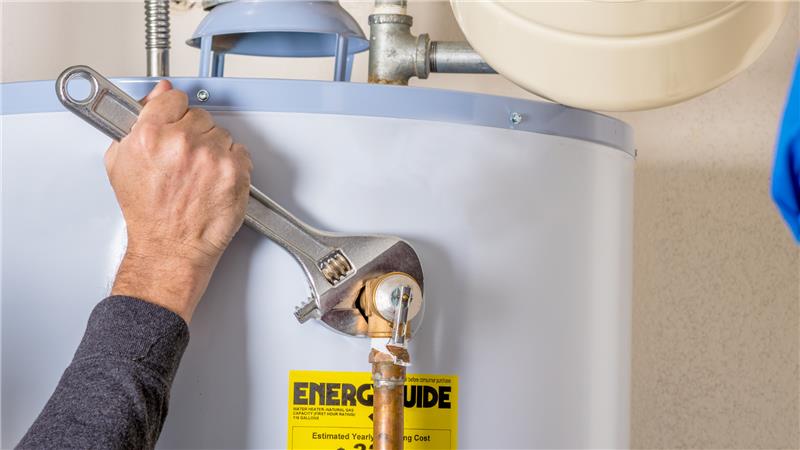
If you are researching water heater replacement Raleigh NC, there is a good chance your current unit is starting to show its age. Maybe you are running out of hot water faster than usual, noticing rust-colored water, hearing strange noises from the tank, or wondering whether another repair is really worth the money.


That is a common place for homeowners to land. Water heaters usually do not fail all at once without warning. More often, they start giving off small signs that performance is slipping. Knowing when to repair and when to replace can help you avoid a cold-shower emergency and make a smarter long-term decision for your home.

Water Heater Replacement Raleigh NC Homeowners Should Understand

When people think about replacing a water heater, they often focus on the upfront cost first. That makes sense, but it is only part of the picture. The better question is whether your current unit is still a good investment or whether you are putting money into a system that is already on the way out.


In many cases, a repair makes sense when the problem is isolated and the unit still has useful life left. A thermostat issue, a heating element problem, or a minor component replacement can be worthwhile if the rest of the system is in decent condition. But if the water heater is older, leaking, corroded, or having repeated problems, replacement usually becomes the better financial decision.

Signs a Water Heater May Be Nearing the End

Age is one of the biggest factors. Many standard tank water heaters last around 8 to 12 years, though actual lifespan depends on maintenance, water quality, usage, and installation conditions. Tankless systems can often last longer, but they still need proper service and can still become inefficient or unreliable over time.


A leaking tank is one of the clearest signs that replacement is likely the right move. Once the tank itself begins to fail, that is generally not something worth patching. Rust-colored hot water, inconsistent temperatures, rumbling or popping sounds, and a shrinking supply of hot water are also strong signs that the unit may be wearing out.


If your current water heater is showing a few of those symptoms at once, it is usually smarter to think in terms of replacement rather than squeezing out one more short-term fix.

When a Repair Still Makes Sense

Not every problem means you need a new unit. If the water heater is relatively new and the issue is limited to a replaceable component, repair can still be the right call. That is especially true when the unit has been maintained well and the problem is straightforward.


This is where honest diagnosis matters. Homeowners do not want to be pushed into replacing equipment unnecessarily, but they also do not want to pay for repairs that only buy a little extra time. A good contractor should help you understand what failed, what the repair would accomplish, and whether that money is better put toward replacement instead.


Bowman’s water heater page is a good starting point if you want to see how the company frames replacement, repair, and tankless options together.

How Replacement Can Save Money Over Time

Even when replacement costs more upfront, it can still be the better value over the long run. An older water heater often becomes less efficient as sediment builds up, components wear down, and performance starts slipping. That can mean higher energy use, less reliable hot water, and more repair calls over time.


A newer system can improve reliability and efficiency while reducing the chance of a sudden failure. According to the U.S. Department of Energy, water heating is one of the largest energy expenses in many homes, so efficiency does matter when choosing a replacement. Their water heating guide is a solid homeowner reference.


If budget is part of the equation, it also makes sense to look at financing early instead of waiting until the old unit fails completely. Bowman’s financing page can help homeowners explore those options before the decision turns urgent.

Tank or Tankless: Which Direction Makes Sense?

Replacement is also the point where some homeowners start thinking about tankless systems. That can be a good fit in the right home, especially for households interested in longer equipment life or different hot water delivery expectations. But tankless is not automatically the right answer for everyone.


A standard tank system may still be the better fit depending on your home, usage patterns, and budget. What matters most is choosing equipment that matches the household rather than assuming the newest or most talked-about option is always best.


ENERGY STAR also notes that high-efficiency water heaters, including certain heat pump and tankless models, can reduce energy use when properly selected and installed. Their water heater overview is useful if you want to compare efficiency options at a high level.

Why Maintenance Still Matters After Replacement

One mistake homeowners make is thinking a new water heater means they can ignore it for the next decade. Replacement solves the immediate problem, but maintenance still plays a big role in protecting the new unit. That is especially true for tankless systems, which need regular service to perform their best.


Routine maintenance can help extend lifespan, preserve efficiency, and reduce the chance of early problems. Bowman also offers maintenance options for both tank and tankless units, so homeowners do not have to treat the new system like a set-it-and-forget-it appliance.

When to Move Forward with Replacement

If your water heater is older, unreliable, leaking, or showing multiple warning signs, waiting too long can leave you with a bigger mess and a more urgent decision. Replacement is often easier to manage when you can plan it instead of dealing with it after a full failure.


If you are weighing repair versus replacement, Bowman Heating, Cooling, & Plumbing can help you look at the full picture and choose the option that makes the most sense for your home. To learn more or request service, visit the contact page.

Frequently Asked Questions

How long does a water heater usually last?

Many tank water heaters last around 8 to 12 years, while tankless systems can often last longer with proper maintenance.

Should I repair or replace my water heater?

If the unit is newer and the issue is minor, repair may make sense. If it is older, leaking, or having repeated problems, replacement is usually the better long-term move.

What are the warning signs that I need a new water heater?

Common signs include leaking, rusty hot water, inconsistent water temperature, unusual noises, and a shorter supply of hot water.

Is tankless always better than a standard tank water heater?

Not always. Tankless can be a great fit, but the best choice depends on your home, usage habits, and budget.