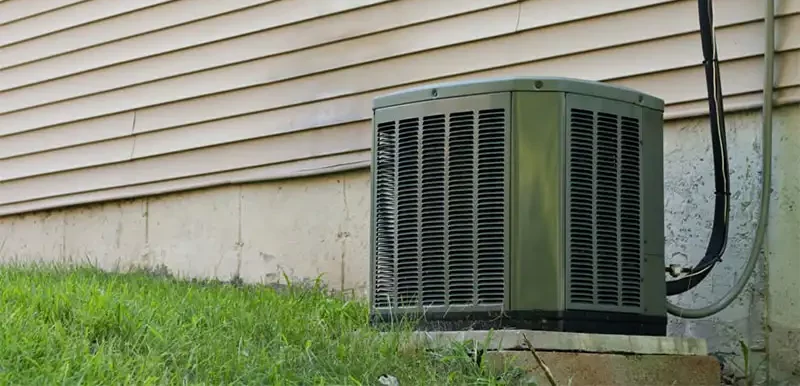
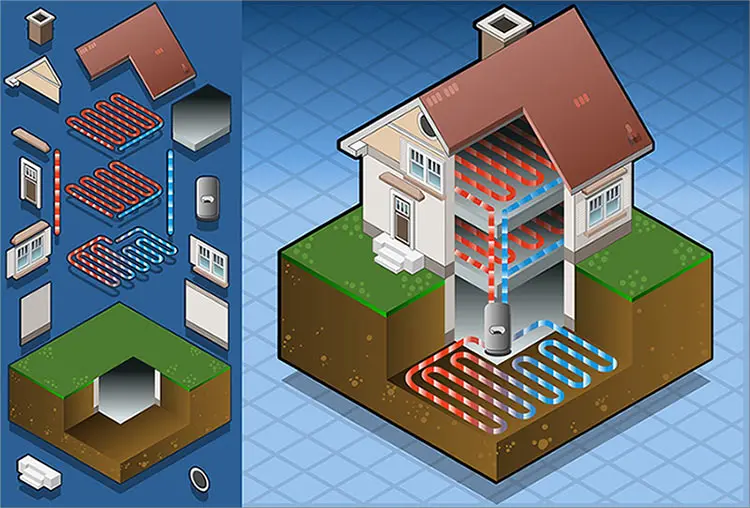
7 Common Problems With Geothermal Systems

Common geothermal hvac problems

Geothermal heat pumps are long-lasting, environmentally friendly, affordable, and reliable sources of energy for your home. Having a potential lifespan of up to 25 years, most homeowners with a geothermal HVAC system find that their geothermal unit stays efficient all year long.

That’s not to say that geothermal systems are invincible to problems. The good news is that there are usually some very telling signs when there is an issue with your geothermal heat pump. Our heating and cooling contractors at Bowman Mechanical Services want to help you stay warm this winter, so we are sharing everything you need to know in case a problem arises with your geothermal unit.

Signs That There Is A Problem With Your Geothermal System

While most geothermal HVAC systems operate efficiently all year long, there are some instances where you may encounter geothermal heat pump problems. While we always recommend taking advantage of our HVAC preventative maintenance services annually, sometimes things just happen.

Here are some of the signs that you could have a problem with your geothermal system:

  • Weird noises or smells coming from the system.
  • Not generating enough heat in the winter.
  • Not cooling your home in the summer.
  • Not providing enough airflow.
  • Rooms in your home are not heating or cooling evenly.
  • Signs of water leaks in above-ground components.
  • Higher than usual energy bills.

Common Problems With Geothermal Systems

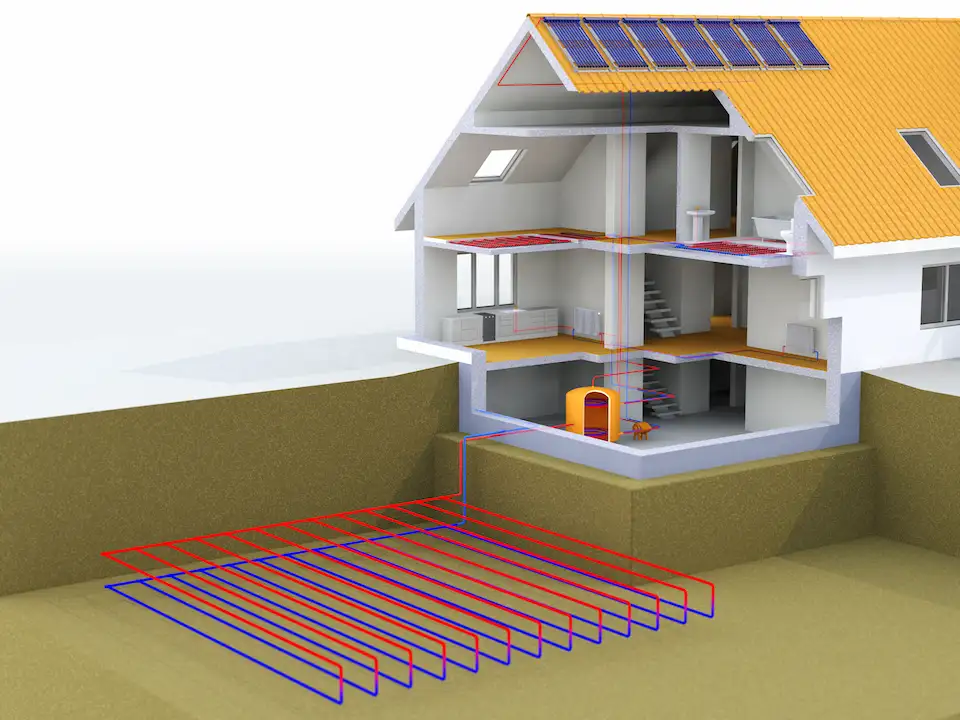
A geothermal heat pump system works to heat your home in the winter and keep it cool in the summer. This is done by extracting heat from the earth’s surface into your home during colder months, and in the warmer months, the system’s heat transfer is reversed as it removes heat from your house, transferring it back into the earth.

When this system used to transfer heat has an issue, it can keep the entire geothermal heating system from properly operating. Whether it’s a minor issue like a dirty air filter or blocked vents or something that requires more advanced HVAC repair services like corroded hardware or a water leak, our contractors at Bowman Mechanical can help.

Let’s explore some of the common geothermal heat pump problems you may be facing if your heating and cooling system is not working correctly.

Mineral Deposits Impeding Operation

Since geothermal heat pumps rely on groundwater from the earth’s surface to transfer heat, and since groundwater has naturally occurring mineral deposits, sometimes mineral buildup occurs on the interior of the heat pump’s ground loop. If the mineral buildup is substantial, the flow of water gets restricted and blocked, resulting in a system failure until the system is repaired.

Bad Blower Fan Motor

The blower fan on your geothermal HVAC system is responsible for circulating the flow of air. If the fan motor is broken or impaired, there will be insufficient conditioned air in your home. The most common cause of a bad blower fan is dirt accumulation, but sometimes fan motors can fail due to age, electrical failings, or other internal issues. It’s best to have a professional HVAC technician inspect, repair, or replace your bad motor fan- or any element of your system particularly when electrical wiring components are involved.

Bad Geothermal Heat Pump

Geothermal systems use pumps to move water through ground loops, so if the pump stops working the transfer of heat and water cannot be performed. These pumps can either be repaired or replaced by your HVAC technician, depending on the extent of the issue.

Water Contamination

Geothermal HVAC systems use a closed loop of pipes to contain the refrigerant within their system. If there is an open pipe or slow leak, the refrigerant can contaminate local water and plant life. Also, open pipes can draw water in, creating the possibility for pond water or other water from nearby sources to enter your system with dirt and debris, ultimately contaminating your system and your drinking water.

Improper Ground Loop Pressure

The water levels within your ground loop must be within the manufacturer’s specified range in order to operate. When there is a lack of water pressure, the result twill is insufficient heating or cooling of your home. The ground loop can expand over time, creating the need for more water in the loop to keep the water pressure balanced. Although this is a rare occurrence and geothermal systems are usually very reliable, system pressure issues can occur. Thankfully, this is a quick fix, as a geothermal system repair technician can add water to the loop to keep things balanced.

Dirty Air Filters

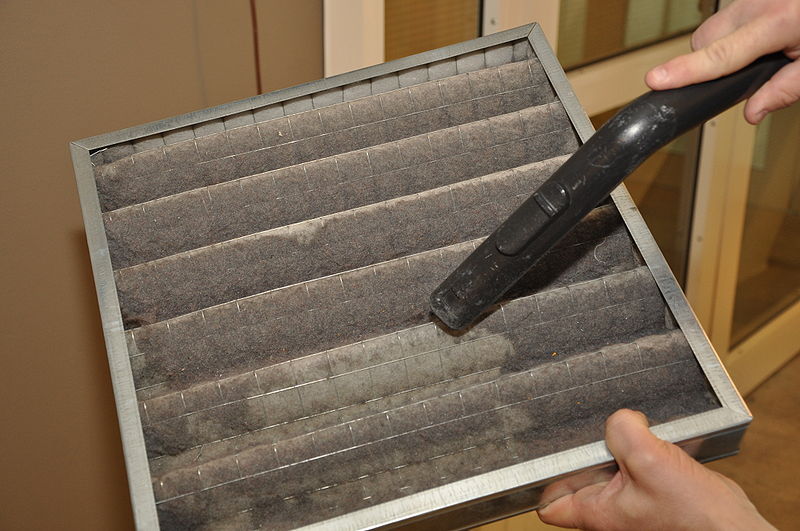
Probably the most simple and easy fix and one of the more common geothermal heat pump problems, a dirty air filter will restrict airflow in your HVAC system. When air does not have room to move through the system because air filters are filled with accumulated dust and debris, your geothermal system will not function as it should.

Ductwork Issues Can Obstruct Water Flow

Not only will ductwork issues make your geothermal system fail to keep you warm on cold days, but these types of problems can also be damaging to your health. From poorly designed ductwork, dirty air filters, or gaps in your ducts, when air cannot clearly move through the system, it causes more and more build-up. This buildup is often made of dust, pet dander, pest droppings, pollen, or other substances that can cause headaches, sinus issues, allergies, and more.

Contact North Carolina’s Geothermal Experts For All Your System Repair Needs

Geothermal heating and cooling systems are a great choice for homeowners who want to be environmentally conscious and reduce pollution, spend less on their monthly energy bills, and head and cool their homes evenly all year round. Though rarer than with other system types, these advantages of geothermal systems do not exempt your system from potential issues that need repairs.

If you’ve noticed any of the warning signs that there is a problem with your geothermal heat pump or if you want to schedule inspection and maintenance services to avoid the need for future repairs, call Bowman Mechanical Services today at [phone] or fill out the form below to get started.
HVAC Inspections For New Installations and Why They’re Important

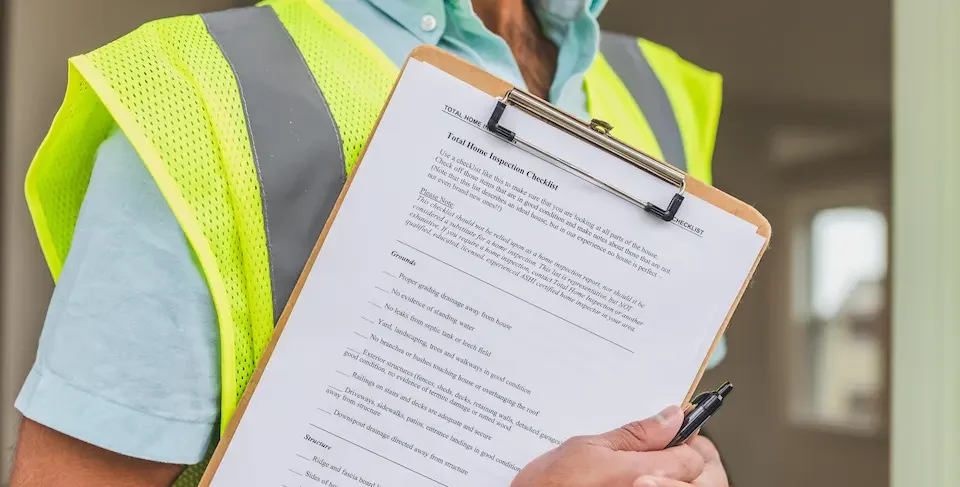
If you’ve recently invested in a new HVAC system, you want to make sure it was installed correctly and is working at its peak performance. Having an HVAC inspection is one way to be sure that your licensed contractor did the job right and that your heating and cooling system is working as it should.

HVAC inspections should not be overlooked. Doing so can lead to a costly HVAC repair, not to mention safety issues in your home.

Let’s take a look at why a new HVAC system needs an inspection as well as what you can expect when an inspector visits your home. We’ll also let you know how Bowman Mechanical Services can take care of all your heating and cooling equipment needs.

hvac inspection checklist

Permits and Inspections For HVAC Equipment

If you’re having a new HVAC system installed, you need to be aware of the permit and inspection processes.

What is a Permit?

Your local government will issue a building permit to a contractor or homeowner to give them permission to make changes to their property. Permits are required by law. Before work can begin, contractors need to pull permits for the work that needs to be done. Any licensed HVAC contractor should know that you need a permit to install or remove a furnace or air conditioner.

What is an Inspection?

An inspection will ensure that the job was done right. A city building inspector will visit your property to see if the HVAC installation follows local and state building codes as well as manufacturer specifications.

The permit fees cover the HVAC inspection cost, so you don’t have to pay extra for an HVAC inspection. When inspections reveal that heating and cooling systems were installed improperly, your contractor may have to pay if additional inspections are needed.

Why A New HVAC System Needs an Inspection

Many factors go into installing HVAC equipment in homes which is why inspections are important and should not be overlooked.

Inspections protect you as a homeowner because they ensure that the equipment is safe to be used. As the inspector looks to see that the job follows local and state building codes, they will also check to see that the installation follows the manufacturer’s guidelines. These are all things that should be important to you as a homeowner.

HVAC Permitting And Inspection Process In Raleigh, NC

Once the HVAC installation is complete, the town of Raleigh requires an HVAC inspection to be completed within 10 days after the last day the job was done. An appointment will be made that is convenient for all parties involved.

Raleigh HVAC Installation Inspection

What To Expect During an HVAC Inspection?

Important System Safety Checks

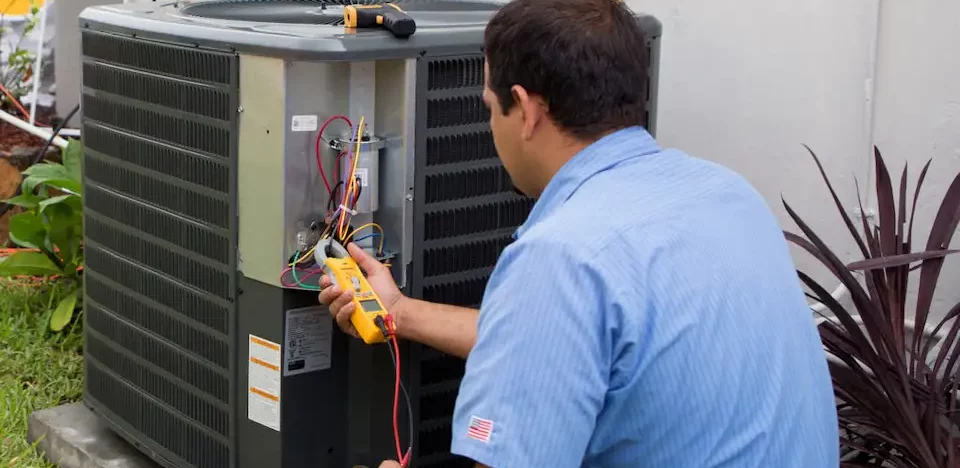
During an HVAC inspection, the inspector will look to see that all parts of your HVAC system are working and don’t present a safety hazard. Your HVAC system incorporates many moving parts and electrical components and electrical systems, so you want to be sure that everything works.

The inspector will also look to make sure any built-in safety measures are also working properly. All vents and flues will also be looked at to make sure they are clean and in working order.

The main idea behind an HVAC inspection is to make sure that the system was installed correctly and that there are no safety hazards.

Consequences of Skipping Permits and Inspections

If you’re a homeowner, it’s important to be aware of the consequences of skipping HVAC permits and inspections. Not only can it lead to costly fines, but it could also mean that your system isn’t up to code and isn’t functioning as safely and efficiently as it should be.

Safety Risk

A home inspection of your new HVAC system is to ensure that the equipment is safe for you and your family. The inspector will look to see that the inspection aligns with local and state building codes and the manufacturer’s specifications.

Not pulling a permit and not having a project inspected by a certified HVAC inspector can pose a safety risk and lead to injury. HVAC equipment can be dangerous if installed incorrectly. Furnaces and gas lines can explode, and your system can leak carbon monoxide and lead to carbon monoxide poisoning.

Quality

Quality can suffer when you don’t have a permit and an inspection. With a home HVAC inspection, you want to know if the equipment was installed correctly. While an air conditioning system should last between 15-20 years, you could have many problems if it was installed incorrectly. You may face many costly repairs.

You always want to be sure that a permit was pulled and that an inspection is done. Some HVAC contractors don’t pull permits because they’re looking to save time and money, while others are concerned that their work won’t pass inspection.

Legal Consequences

Doing work without the proper permits and inspections can result in penalties and even fines. If your municipality discovers that work was done without following the proper guidelines, you may face penalties.

You may also face problems if you go to sell your home down the road. They may notice a lack of permits and paperwork. These can lead to legal repercussions that you won’t want to deal with. Any licensed contractors that work on HVAC systems should know that the installation of a new HVAC system is classified as a permitted job.

In Conclusion

Overlooking HVAC inspections can create stressful and even dangerous consequences down the road. By understanding what inspections are, why they’re important, and how to prepare for them, you can take proactive steps to ensure your installation goes smoothly.

At Bowman Mechanical, we believe in the importance of getting everything done right the first time – that’s why we handle permits and inspections for every HVAC job we do. We want our customers to have peace of mind knowing their investment is protected. To learn more about our process or get a quote for your next project, contact us today.

Contact Bowman Mechanical For All Your Heating and Air Conditioning Needs

If you need a new air conditioning system or heating system, you can count on Bowman Mechanical. Our experienced professionals know which projects require permits and will make sure the proper permits are pulled for your project.

When you need an HVAC contractor with the proper licensing that will get the job done right, call Bowman Mechanical. We know what an HVAC installation requires and will get the job done right. Call us today at [phone] or reach out to us to schedule your free estimate!

How Does A Heat Pump Work In Winter?

When it comes to heating your home for the winter, you want to do it as efficiently as possible while being cost-effective. While some people use a gas furnace as their heating system, there are other options to keep your home warm this winter. Have you ever thought of using a heat pump?

A heat pump can work in cold weather to heat your home and save you money. Many people are unaware of how energy efficient a heat pump can be. We’re going to explain how a heat pump works in the winter, the benefits, as well as maintenance tips, and why you may want to consider it as a heating option to lower your energy bills.

How Does A Heat Pump Work?

Heat pumps work by moving heat energy. They take heat from outside your home and transfer it inside. Since moving heat takes less fuel than producing heat, a heat pump is extremely efficient and is much more energy efficient than a standard heating system.

Heat Pumps Vs. Traditional Heating Systems

When you’re looking at how efficient an air-source heat pump is, you need to look at the heating seasonal performance factor (HSPF). This is a rating that divides the total heating output during the heating season by the amount of energy that is consumed during that time. The higher the number is, the more energy efficient the system is.

A heat pump with a high HSPF can handle extremely cold temperatures. Many models are 100% efficient even at sub-freezing temperatures. Since they consume less electricity in moderate weather, air-source heat pumps cost less than other heating systems. This is why many people in moderate climates look at heat pump technology as a heating source in the winter.

Forced-air systems like natural gas furnaces have to generate heat instead of moving it to one place or another. This takes more energy to stay warm. This is why a natural gas furnace will cost more to work in the winter than a heat pump.

heating and cooling

How do Heat Pumps Take Heat from Outside Air?

Heat pumps take air from outside your home and pump it inside by using refrigerant-filled coils, similar to what you’ll find behind your fridge. There are two fans, the coils, a reversing valve, and a compressor that make the pumps work in cold weather.

Geothermal heat pumps are another type of mechanical heating and cooling system that uses the earth’s natural heat to warm outside air in winter and cool it in summer. In winter, the system extracts heat from the ground and transfers it to the air inside your home. In summer, the process is reversed, and the system cools your home by extracting heat from the air inside and transferring it to the ground. The result is a comfortable indoor environment all year round, with minimal impact on the environment. Geothermal heat pumps are an efficient and sustainable way to heat and cool your home, and they can save you money on your energy bills.

How Do Heat Pumps Work In Cold Weather?

An air source heat pump follows the same process in winter as it does in summer, just in reverse. During winter it extracts available heat from the outdoor air and brings it into your home. It’s able to do this because it has a closed-loop system that allows it to work both ways.

A low-pressure liquid refrigerant passes through the outdoor condenser coils. This is where it will absorb ambient heat from the outside. The heat then makes the refrigerant boil and convert into low-pressure vapor. The vaporized refrigerant is pushed to the compression. This is where it gets pressured to help you stay warm.

This warm, pressurized refrigerant now moves to the indoor unit where it heats up the air that is blown over the exchanger. As the refrigerant loses heat, it turns back into a liquid and is transported out to start another cycle.

Why new heat pumps are much better than old ones

New heat pumps are better than old ones because there have been major upgrades to the individual components. These have made a big difference in how a heat pump works in the winter.

Improvements in new heat pumps include:

  • Redesigned compressors
  • Better motors
  • More efficient fans
  • Improved coil designs

At Bowman Mechanical Services, we can help you find the right heat pump to have you stay warm and save money on energy bills.

Are Heat Pumps A Good Fit For North Carolina Homes?

Heat pumps are a good fit for North Carolina homes because the climate is moderate. As the heat pump moves air around, it helps to keep your house warm in a cost-effective way.

It also helps to keep your home cool in the summer versus running an air conditioner 24/7.

Benefits of a Heat Pump

If you’re thinking of adding a heat pump to your home, there are many benefits to consider. The benefits of air-source heat pumps include:

Energy Efficiency

Since heat pumps move air from one place to another they are more energy efficient than other heating systems that need to make heat from scratch. This means you’ll save money on energy costs.

Safety

Heat pumps are safe to operate and require little maintenance compared to other heating systems.

Durability

Heat pumps tend to last longer than other heating systems. Many have a lifespan of 15 years when they are taken care of.

Humidity Control

Heat pumps help to control humidity because they don’t take moisture out of the air like furnaces can in the winter.

Dual Functionality

A heat pump offers heating and cooling in one unit. Instead of relying on both a furnace and an air conditioner, a heat pump offers both heating and cooling in one unit.

Cost

One of the main benefits of a heat pump is that it is very cost-effective. The initial cost of the unit is often comparable to that of a traditional furnace or air conditioner. However, operating costs are much lower, since heat pumps do not use fossil fuels such as natural gas or oil. In addition, heat pumps are very efficient, meaning that homeowners will see significant savings on their energy bills.

Heat Pump Maintenance Tips

To keep your heat pump working at its best, you need to keep up with maintenance. This includes:

  • Replacing air filters every 30-60 days
  • Scheduling professional HVAC maintenance twice a year
  • Check your outdoor unit regularly and clear away any debris from the unit
  • Make sure the heat pump is completely level and supported by a concrete support pad

By being proactive, you can help to keep your heat pump working properly and stay warm all winter long.

Contact Bowman Mechanical For Your Heat Pump Installation And Repairs

If you’re interested in installing a heat pump, call Bowman Mechanical Services. We are Raleigh’s most trusted HVAC company and have the necessary experience to install a heat pump at your home. We can also answer your heat pump questions.

Besides installation, Bowman Mechanical Services is also your source for heat pump repairs. Our team is here to make sure your home has enough heat to stay warm this winter. Count on us when you want a comfortable temperature throughout your home. Call us today at [phone] or reach out to us online to learn more about our services.

What Are Zoned Heating HVAC Systems?

When you’re home you want to be comfortable, and part of that comfort comes with having the right temperature. If your entire home is the same temperature you may find that you’re cold in some rooms at your home and too warm in others. There’s nothing comfortable about that! An HVAC zoning system can help fix that problem.

We’re going to take a closer look at a zoned heating and why you may want to invest in a zoned system. We’ll also look at the benefits of zoned heating and how Bowman Mechanical Services can help with all of your zoned HVAC system needs.

What does zone heating mean?

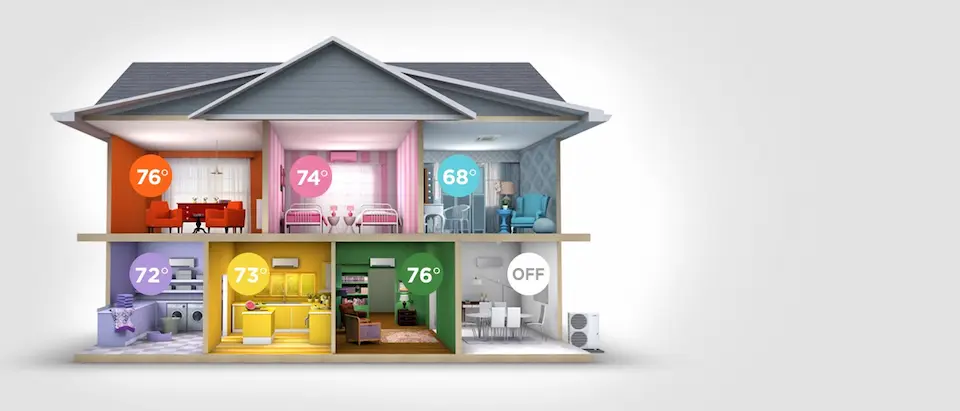
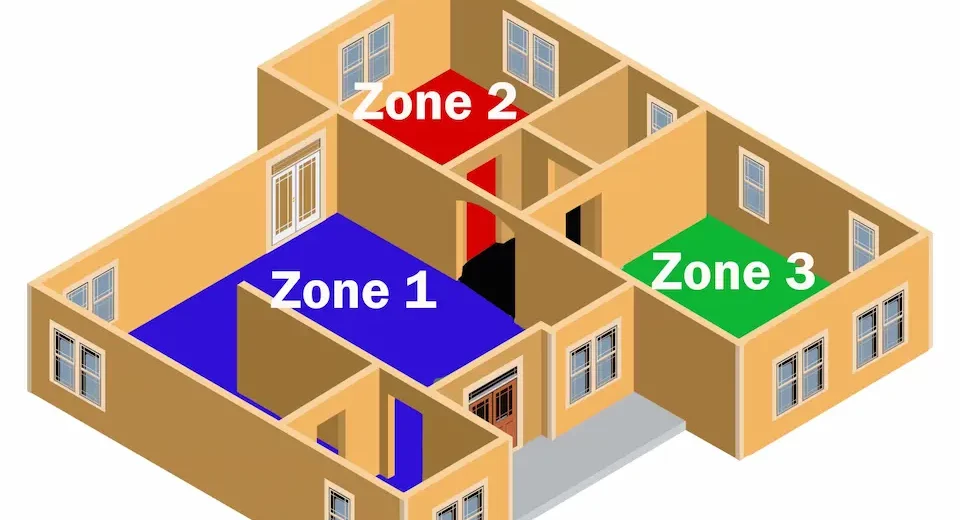
When you hear people talk about zone heating, they’re talking about a heating and cooling system that divides your home into individual zones that are each controlled by their own thermostat rather than a central thermostat.

People often choose to create multiple zones in their homes because it eliminates hot and cold spots in their home. Through a supply vent, each room gets the right amount of warm air.

North Carolina Zoned Heating

How does heat zoning work?

HVAC zoning is all about the electronically controlled dampers in your ductwork and your thermostats. Think of dampers like valves that control the airflow of your heated air throughout your home.

While the dampers control the airflow, the thermostats tell the dampers when to open up and let more air through and when not to. Once the room has reached its desired temperature, the thermostat tells the dampers in that room to take a break and not deliver more air.

Zoned Heating System vs. Central Heating: What’s The Difference?

When you’re talking about central heating and zoning systems for your heat, the main difference is how each system delivers air. With both zoned heating and central heating furnaces, warm air travels through ducts and is delivered to each of your rooms. Each room has a vent where warm air leaves the ducts and enters the room.

With central heating, each room gets the same amount of air when the furnace is running. You can always close the vent if you don’t want the room to receive as much warm air, but the same amount of hot air will be going through the ducts to each room.

Zoned heating uses electronic dampers to control each vent. While your furnace still sends warm air through the ducts, the zoning system controls which vents will blow air and which ones won’t. If a zone requires heat, the zoning system will open the dampers to the room so warm air can come in. But, if the zone doesn’t want to receive warm air, the dampers will remain closed.

Another difference between a zoned system and central heating is how many thermostats you have in your home. Central heating only uses one. Your entire home will receive warm air when the furnace is on and the entire home won’t get warm air through the supply vents when the furnace is off. It’s an all-or-nothing deal.

When your home’s HVAC system has zones, there are different thermostats strategically placed around the home. You can decide which thermostat will turn on the heat in each zone. This makes each room of the house perfectly comfortable. You may want your living room to be warm, but your master bedroom to be a few degrees cooler when you sleep. With zone control, you can make this happen.

Is zoned heating more efficient?

Absolutely! Think about it. Without zones, rooms in your home that don’t need a lot of heat are still getting it. Rooms with large windows that get a lot of sunlight often don’t require much heat. This means you’re paying to heat rooms that don’t need it. Dampers provide a better seal than simply closing air vents in rooms that don’t need to be heated as much.

A multi-zone system allows you to use less energy than your home uses and saves you money. How much? The U.S. Department of Energy estimates that HVAC system zoning can save homeowners up to 30% on their heating bills.

If you have areas in your home where you don’t spend much time, sealing them off and choosing to send the warm air to the living space that needs it makes sense. This way each room is comfortable and you can the energy savings in your bill each month.

ductless zoned heating

What are the benefits of zoned heating?

Besides better energy efficiency, there are several benefits to HVAC zoning in your home.

More even temperature distribution

When the temperature in each room is controlled separately there is a more even temperature distribution. We all know that heat rises, so the upstairs rooms are always warmer than the lower ones in a two-story home.

When at least two zones are installed, one on the main floor, and one upstairs, you can customize temperatures. This eliminates cold spots and hot spots and makes individual spaces more comfortable.

Different family members can choose their comfort levels

Do you have that one family member who’s always cold? With an HVAC zoning system, that person brings more warm air into the areas of the house where they spend more time. Central furnaces won’t allow you to do this.

Extend the Life of Your Unit

When you reduce the amount of heat your HVAC system produces, you are extending its life span. While buying a new furnace sooner than you should? Zone heating decreases the wear and tear on your furnace because it’s not working as hard. This saves you money down the road.

How many heating zones should I have?

How many zones you have is a personal preference. Basic systems have two zones that are typically located upstairs and downstairs. But you may require more zones to suit your needs. You can talk to your HVAC contractor to determine the best areas to strategically place your zones to get the most for your money.

How do I add a zone to my home heating and cooling system?

Installing dampers into existing ductwork is the most common way to add zones to your system. But, the static pressure may be too intense for the existing ductwork that is linked with just one zone. In these cases, your HVAC contractor can advise you about the best way to add a zone and redirect the excess air.

Contact Bowman Mechanical Services For All Of Your Zoned HVAC System Needs

If you’re tired of hot and cold spots in your home, it may be time to look at a zoned heating system. At Bowman Mechanical Services, we can take care of all your zoned HVAC system needs. Whether you want to install a new system or add zones, we can get the job done.

Bowman Mechanical Services offers excellent service to customers in Garner and surrounding areas at affordable prices. To learn more, call us at [phone] or request a free quote online!

Heat Pump Replacement Cost In 2023

A heat pump is often looked at as an eco-friendly way to heat and cool a home because it can save you energy costs. But, just like anything else in your home, there’s going to come a time when you have to replace a heat pump.

When this happens, you want to have an idea of the average heat pump prices as well as the heat pump installation costs you’re going to face, and the type of heat pump you’ll need to avoid sticker shock.

We’re going to look at several different types of heat pumps, how much they cost to install, and how Bowman Mechanical Services can help with heat pump replacement as well as repair.

What is a heat pump?

Your furnace uses gas or electricity to power a heating element. It then blows forced air over the hot element and into your home to keep you warm. A heat pump pulls heat from surrounding natural sources like air, soil, and water, and uses it to produce heat to warm the home.

It also acts as an air conditioning unit to keep your home cool by drawing heat out of warm indoor air during the summer. A heat pump is typically a good investment because it acts as a cooling system and a furnace.

What is the average life of a heat pump?

The average life of a heat pump will depend on the type, your location, and if you’ve kept up with heat pump maintenance. Heat pumps typically last an average of 15 years, but some can need replacement after 10 years.

Electric heat pump costs

Types of Heat Pumps

There are several different types of heat pumps that you can choose from depending on the type of home you have. The heat pump type will greatly impact the cost and installation.

Electric Heat Pump

By using a compressor and evaporator, heat pumps are able to move heat from the cool outdoors into your warm home in the winter. In the summer, they work in reverse by moving heat from your home into the cooler outdoors.

Electric heat pumps are an efficient and environmentally-friendly way to heat and cool your home. They use less energy than traditional heating and cooling systems, and they don’t produce harmful emissions. Electric heat pumps are a great option for homeowners who want to save money on their energy bills and do their part to protect the environment.

Ductless Heat Pump

A ductless heat pump has an outside compressor and an inside air handler to help maintain your home’s temperature. The cost to install one of these heat pumps can range anywhere between $1,800 and $7,500.

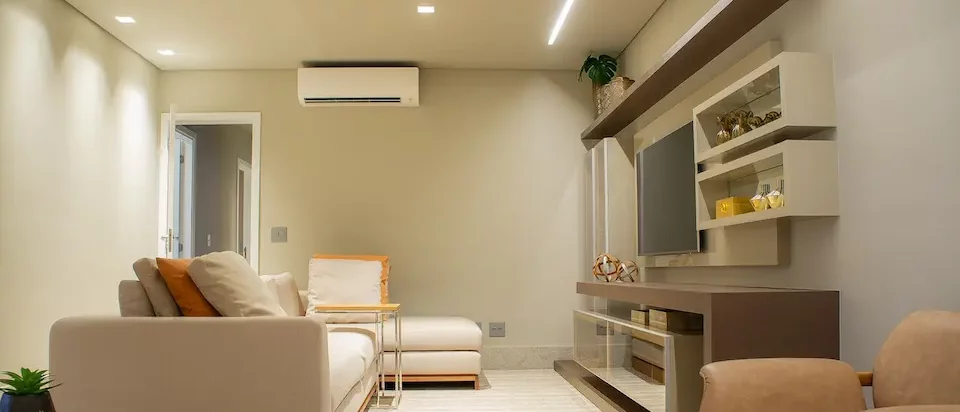
These are typically best for homes with no ductwork installed. Ductless heat pumps can offer air conditioning to the entire home with different zone units installed in different rooms around the house.

Solar Heat Pump

To get a solar heat pump, you’ll need to have solar panels installed to power the unit’s compressor. Solar heat pumps are more expensive and can cost anywhere between $18,000-$39,000. Much of this cost is due to the price of solar panels to produce solar power. In the end, the energy savings over the long run makes this option worth it for some people.

Geothermal Heat Pumps

Geothermal heat pumps are a type of renewable energy technology that can be used to heat and cool buildings. The technology works by using the earth’s natural heat to transfer energy to and from the ground. Geothermal heat pumps are typically more efficient than traditional heating and cooling systems, and they can also help to reduce a building’s carbon footprint. In addition, geothermal heat pumps can be used in both new construction and retrofit projects.

Air-Source Heat Pumps

Air-source heat pumps are the most common when it comes to heat pump replacement. Homeowners typically choose air source heat pumps if they have existing ductwork. The cost to install a heat pump like this is between $3,6oo-$5,200 for each indoor air handler unit you have.

An air source heat pump has an indoor air handler unit and an outdoor heat pumping unit. They use the same vents and ducts that a furnace or central air conditioning unit would use.

Many homeowners choose to use a heat pump with a central air conditioner unit or furnace because they are less expensive to operate and only use their furnaces when it is extremely cold.

What size heat pump do I need for my home?

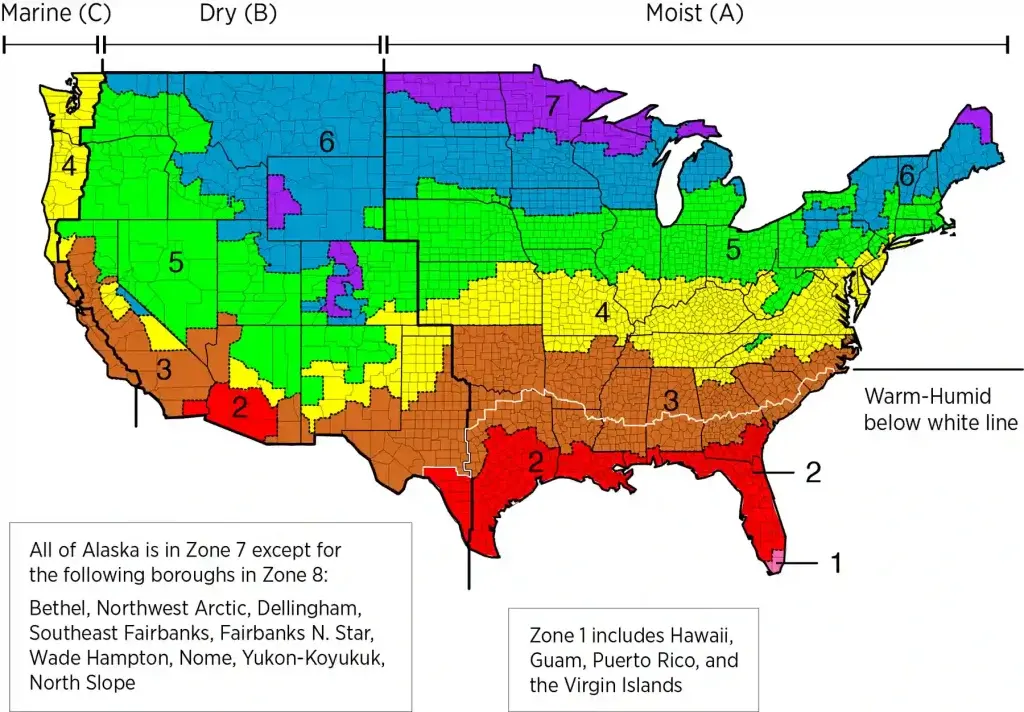
To determine the heat pump size you need for your home, you need to know the square footage of your home. Once you have this number, find your climate zone on the U.S. Climate Zone Map.

U.S. Climate Zone Map

Heat pumps are sold by the ton, with 1 ton equaling about 12,000 BTUs. Multiply the number of recommended BTUs per square foot for your climate zone by the number of square feet for your home. Divide this number by 12,000 to determine the tonnage you need. You’ll find that you’ll need larger heat pumps for very hot and very cold climates.

Average HVAC Heat Pump Replacement Cost

Once you determine what size heat pump you’ll need, you can look at the average costs of the unit itself. These are the average costs of air source heat pumps in 2023 according to size:

3-Ton Heat Pump Costs

The cost for a 3-ton heat pump can range from $2,000-$6,000. Brand differences and regional pricing can determine the final cost.

4-Ton Heat Pump Cost

Since a 4-ton heat pump will heat and cool a larger area, it will cost you more to replace. On average, you can expect to pay between $2,500-$6,500.

5-Ton Heat Pump Cost

The average cost of a 5-ton heat pump will run you anywhere from $3,000-$8,000.

Average Heat Pump Installation Costs

Besides the cost of the unit, you need to factor in installation costs. This will vary depending on the type of heat pump you end up buying. As we mentioned above, geothermal heat pumps are the most expensive to install while air-source heat pumps are usually the most inexpensive.

You may find some air source heat pump installation costs to be as low as $2,000 if your duct system is in good condition while installation of geothermal heat pumps can cost as much as $20,000.

When you’re looking at new heat pump systems, it’s important to work with a company you trust, that will give you the best advice about the type of heat pump you need for your home.

Heat Pump Benefits

As you look into a new heat pump system, consider these benefits of new heat pump installation in your home.

Lower Energy Costs

Energy efficiency is a big perk of a new heat pump. Heat pumps are an eco-friendly way to reduce your carbon footprint because they are so energy efficient. Energy-efficient heat pumps can produce up to 300 times the energy they consume.

While heat pumps typically result in lower energy costs for all users, homeowners will have more energy savings if they live in a moderate climate. Some report saving as much as 50% on their energy bills.

Space Saving

Furnaces take up more room than heat pumps. So, replacing a gas furnace with a heat pump can leave you with space to use for storage, a utility closet, or something else. Heat pump lines run outside the house, and their air handlers are installed out of the way on the upper part of exterior walls to save space.

No Need to Store Oil or Propane

Since heat pumps run off electricity mostly, you don’t have to worry about storing oil or propane at your home.

If You’re Looking to Keep Your Heat Pump Replacement Cost Low, Call Bowman Mechanical Today

If you need a heat pump replaced or repaired, you can count on the professionals at Bowman Mechanical. With over 30 years of experience, we can help you determine the best heat pump for your home that will keep heat pump costs low and your home comfortable. We’ll also let you know if we can repair your heat pump to save you money or if a replacement is truly needed.

As local heat pump installers, you’ll find our labor costs are affordable and our expertise is second to none. Call us today at [phone] or reach out to us online for a free quote!

How to Lower Humidity in the House

In your house, humid air and moist surfaces can cause smells, mold and mildew, and can even cause damage to paint, wallpaper, and furniture. Humidity can be tough on your sanity as well by making it difficult to live, work, and sleep comfortably. On the other hand, dry air, which is a frequent side effect of a gas or electric furnace, can irritate your respiratory system. For this reason, it is critical to monitor and manage humidity all year long. 

Top Tips for Reducing Humidity in the House

There are a few hacks you can use to reduce humidity in your home. We’re going to go over our top tips.

Keeping Windows Open

You may think keeping windows open to lower humidity may be counterintuitive, however keeping air circulating is key in preventing humid air from setting in your home. When it comes to lowering humidity, moving air is almost always better than stagnant air.

There are smart ways you can keep windows open to reduce humidity. To start, windows don’t have to be fully open to lower humidity levels. A slight crack will do the job in improving air circulation in your home. Next, opening windows that are facing the direction wind is blowing will also increase air circulation. Last, keep windows in areas of your home where humid air is more likely to be trapped, such as bathrooms and the kitchen. 

Using Fans

Similar to keeping your windows open, using fans help with air circulation and prevent humid air from sitting stagnant in your home. There are a few different fans that can be used to reduce humidity. 

Ceiling Fans

Ceiling fans can be extremely beneficial in reducing humidity in a home because they are able to keep air circulating across an entire room and from the top down. Even a fan spinning at a low speed can help drastically with air circulation and lowering humidity. 

Exhaust Fans

Exhaust fans can be extremely effective with reducing humidity in your home. They are usually installed in appliances and in your bathroom. They serve the purpose of pulling air out of the room/area it is located in. It’s important to be smart about the way you’re using them. For example, turn them on before you need to use them and keep them running until you’re done in the bathroom or kitchen. 

Standing Fans

There are areas of your home where you may not have ceiling fans or an exhaust fan present. If this is the case, a standing fan will be your best option. Standing fans typically plug-in to the wall and can be placed anywhere in your home where a plug is present. They are great for improving overall airflow in your home, and can be used in conjunction with open windows to help with airflow in areas where there isn’t too much wind. 

Be On The Lookout For Leaking Pipes

When attempting to lower indoor humidity, the last thing you want to do is add moisture. That is exactly what leaking pipes and faucets do.

Repair any leaks and wrap exposed pipes with insulators to prevent condensation from developing. Leaks can be identified by discolored walls, moist areas, and unusual water bills. 

Utilizing Your HVAC System

Arguably the best option for lowering humidity in your home is by using your AC system. Air conditioners work to pull humidity out of the air while cooling. Air conditioners are even effective if the temperature isn’t set to a cold setting because it will still have a dehumidifying effect on the air. It is no secret that running the AC system can be expensive, especially in hot and humid areas. With that said, once the AC has gotten the home or room to the desired temperature and humidity level, it is easier to maintain the temperature and humidity levels in your home.

What Is The Optimum House Humidity Level In Summers?

The recommended indoor humidity level is thirty to fifty percent.

Too much moisture in the air makes you hot and unpleasant, and it can also harm your property.

On the other side, dry air can cause allergies, asthma, and damage to wood flooring. This is a major issue throughout the winter.

A humidity level of thirty to fifty percent strikes a balance between too much and too little moisture, keeping both you and your house comfortable.

Contact us Today for AC Installation and Repairs

Let’s face it, sitting at home in hot and humid conditions is miserable. Having a working AC system during the hot summer months can provide you with peace of mind. If you are in need of having a HVAC system installed or need service repairs to your current system, contact us today at [phone] or use the form below to get in touch.

5 HVAC Maintenance Tips

As summer approaches and the temperature rises, you want to make sure your HVAC system is in perfect condition to ensure a cool and comfortable season. 

Continuous use of an air conditioner may put it under a lot of strain, and it can eventually fail. To avoid this, it is best to do routine HVAC maintenance and detect a problem before it occurs.

We’re sharing some easy HVAC maintenance tips to keep your air conditioner running smoothly:

Check Air Filters

A filthy air filter is one of the most obvious causes of air conditioner repair. Changing the filter is one of the most simple ways to increase the performance of the air conditioner, reduce the energy expenses of heating the home, and lower the risk of having repairs.

Check your filter once a month to make sure it’s not dusty or blocked. If it is, it is a good idea to give it a good wash and to blow it dry. When it comes to replacing the filter, once every three months should be enough. If it appears to be dirtier than usual, change it right away, especially if your family has dogs.

Your air filter should be updated every 1-3 months, depending on how frequently your cooling system is utilized.

Condenser or Heat Pump Cleaning

Outdoor air conditioners and heat pumps can get very dusty, requiring the system to work harder to provide the required cold and warm air in your home.

Cleaning condensers and heat pumps reduce the possibility of internal component damage. Make sure that the tops and sides of your outdoor air-conditioning pumps and units are clear of debris.

Use your garden hose to clean out the fins, being careful to get in between the crevices.

Make Sure The Drain Lines Are Clean

Along with chilling, an air conditioner removes moisture from the air. This moisture then gathers in the air conditioner’s drain pipes and is sent outdoors. With the accumulation of debris and dust, drain lines can get blocked and even provide a breeding ground for algae and mold.

It is so advisable to clean the drain pipe regularly. Remove the outer cover of the air conditioner and wipe the drain line with a clean cloth. You may also rinse it with a solution of water and vinegar to remove any mold that has developed.

Check Outdoor AC Unit

The exterior unit is constantly exposed to the elements, including weather and dirt, and debris. Especially after a harsh winter, your outdoor AC unit will likely need cleaning. Branches and leaves can occasionally creep inside the outside unit and disrupt the fan’s operation.

It’s a good idea to keep an eye on the area around the outside unit and trim any plants or leaves that require it. This is an easy job that you can do yourself, saving you money.

Inspect The Wiring

It is critical to inspect the wiring of your HVAC system regularly to ensure that it continues to function effectively and safely.

Close the access panel and turn off the system. If you detect any wires that seem scorched or blackened, contact a professional to have them replaced.

Contact Bowman Mechanical For HVAC Maintenance

We offer a comprehensive maintenance plan that ensures your system is clean, efficient, and set up to keep your home comfortable. 

If you’ve noticed any unusual behavior from your HVAC system or just want a routine checkup, call Bowman Mechanical Services at [phone] or fill out the form below.

How to Clean AC Vents

In order to function properly, an air conditioner requires proper maintenance. At the center of all maintenance, is cleaning. 

Our houses have a lot of hidden dust floating around in the air. It is not uncommon for your air conditioner vents to become clogged with dust particles, dirt, or other substances. 

Clean AC vents, however, are essential for your air conditioner to cool your house. But what is the proper way to clean AC vents and how often should you do it? We’re sharing how to clean AC Vents and everything you need to know about the process.

The Process Of Cleaning AC Vents

Turn Off The HVAC System

This is the foremost step in the AC vent cleaning process. Cleaning AC vents requires opening up the HVAC system. Doing this without turning it off can be potentially dangerous. Make sure you have turned off the power to the HVAC system before you begin.

Gather The Necessary Tools

You will require some simple cleaning tools for cleaning the AC vents. You’ll find most of these items in your house:

  • Vacuum
  • Screwdriver
  • Cleaning brush
  • Broom
  • Soap
  • Bucket of water or sink

Remove Air Vents

If your air conditioner’s vents come off just by pulling them, you can easily remove the vents. Otherwise, you will require a screwdriver. Unscrew the AC vents off and place them carefully to the side.

Vacuum The Ducts

An important part of cleaning your AC vents is to clear the air ducts. If dust or dirt has accumulated inside the air ducts, they will prevent your HVAC from blowing out cool air. Use your vacuum’s hose to suck out dust or dirt from the air ducts. You don’t need to go too deep. Only the area near the vents should be clean.

Clear Dust Off Vents

Now that your air ducts have been cleared, you can focus on the AC vents. Use a cleaning brush to dust off any dirt that has gathered on the vents.

Protip: Dust off the AC vents in a garbage bag to prevent the dust from flying off into the air. 

Soak in Soapy Water

Dusting off the AC vents will have removed most of the dirt. But in order to ensure the vents have been properly cleaned, it is recommended to soak the AC vents in soapy water.

In a bucket or sink, mix some dish soap into warm water. Once sufficient lather has been created, soak the AC vents in the water. Let the vents soak for about 15 minutes. This will ensure any grease or residue is properly removed from the AC vents. 

Dry Vents Off

Now that the soaking has been done, you’re nearing the end of the cleaning process. Use a paper towel to dry off the AC vents. You can also let them sit outside for a while and let them air dry. 

Place Back Into HVAC System

Once properly dried, it’s time to put the AC vents back on to your air conditioner. If you pulled the vents off before, simply adjust them back on. If you screwed off the vents, use your screwdriver to screw the vents back into place. 

Turn HVAC System On

You’ve gone through the entire AC cleaning process. But now it’s time to check your HVAC system is working properly. Once the vents have been adjusted back into place, turn on your air conditioning unit and wait a while to check if it’s properly functioning. 

Schedule Your HVAC Maintenance Today!

Oftentimes, cleaning AC vents can be difficult for homeowners. If you’re having trouble doing it yourself, contact a professional for your HVAC maintenance! At Bowman Mechanical Services, we are committed to ensuring your air conditioner stays in quality condition. Call us today [phone] or fill out the form below to schedule an appointment!

How Long Does a Furnace Last?

A furnace is an integral component of your HVAC system. To keep your home well heated, it is essential to look after the functionality of your furnace and be ready when it’s time for a furnace replacement. Being aware of the various We’re sharing a detailed guide on the lifespan of a furnace and the factors that affect it. 

Average Lifespan of a Furnace

While there is no simple answer to how long a furnace lasts, we can give you an average life expectancy. Most heating furnaces are expected to last somewhere between 15-20 years. However, this is only the case when a furnace is looked after and given the proper care and maintenance it requires. If maintenance is neglected, a furnace may not even last 10 years. 

Just like any other system, your furnace will also eventually require a replacement. When the age of your furnace is nearing 15 years, it is recommended to keep a careful eye on its running and be ready to start the replacement process. 

Signs Your Furnace Needs Replacing

You will realize your furnace needs replacing when you notice some of these warning signs:

  • The need for frequent repairs.
  • A rise in energy bills.
  • Having to adjust your thermostat more often.
  • Strange noises from the furnace.
  • The release of cold air from furance. 
  • A decrease in air quality.

Factors that Affect a Furnance’s Life Span

Lack of Maintenance

A routine maintenance schedule is essential to a furnace’s life expectancy. With regular check ups and repairs you won’t only extend your furnace’s life, but also increase its overall performance. It is recommended to make use of professional HVAC maintenance services every few months to ensure your furnace is running well and to fix any small issues that may occur. 

Extreme Thermostat Temperature

Setting your thermostat to extreme temperatures could end up causing potential damage to your furnace. Keeping your thermostat at an extremely low or high temperature could make the furnace run more frequently, causing wear. Experts recommend setting your thermostat temperature between 60 and 80 F. 

Incorrect Furnace Size

An incorrect furnace size could also seriously affect its life expectancy. A smaller furnace size will take longer to heat up the room, causing it to run longer. This could cause unwanted strain on the system. Similarly, a larger furnace size also has its problems. Heating up the room quickly and promptly turning off, only to turn on again will cause wear and tear of the furnace’s components.

Improper Installation

The manner in which a furnace is installed has a great impact on its overall performance. Poor ductwork can restrict airflow causing other problems in the system. That is why it is essential to use certified and professional services for the installation of your HVAC. 

How to Improve a Furnace’s Life Expectancy

There are several ways in which you can extend your furnace’s life expectancy. Regular maintenance and check ups can go a long way in making sure you furnace stays around longer. Here are some of the simple things you can do:

  • Hire a qualified HVAC professional to perform regular check ups. 
  • Clean and replace air filters when necessary. Build up in filters can cause restrict airflow and cause strain on the furnace.
  • Clean away any debris from the pump.
  • Make sure ductwork is sealed.
  • Keep your home properly insulated as this will make sure your furnace doesn’t have to work harder.

Need a Furnace Replacement?

Whether you need a brand new furnace or are looking to replace your existing one, Bowman Mechanical can ensure your issues are addressed as quickly as possible. Contact us at [phone] or fill out the form below.

How to Troubleshoot My Honeywell Thermostat

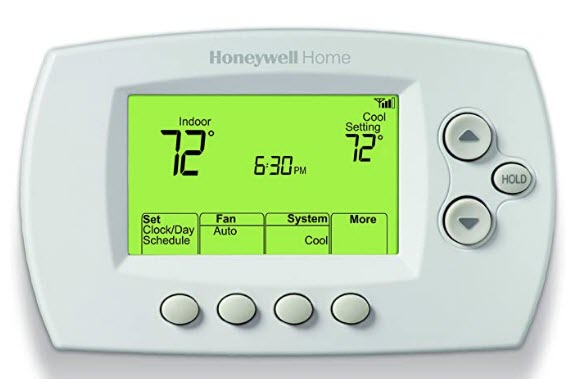
Honeywell is the most well known and widely used thermostat brand on the market, and while they are certainly well made and reliable, sometimes they don’t work as they should. Whether you have an older dial0type model or a modern smart model of thermostat, if something goes wrong, we’re sharing some tips on how to troubleshoot your Honeywell thermostat.

Troubleshooting an Analog Thermostat

If you have an older thermostat that is either round or square and you adjust the temperature by turning a knob or moving a small lever, you have an analog thermostat. If you feel it’s not working, try these steps:

  • To check your furnace, make sure the switch is set to “HEAT,” and turn the temperature setting up to 80 degrees. Give it five minutes to see if the heat kicks on, and if so, adjust it to your preferred setting.
  • To check your air conditioner, switch it to “COOL,” and make sure the fan is set on AUTO. Turn it down to around 60 degrees and wait five minutes.
  • If these don’t work, take the cover off and check to make sure the wires haven’t come loose.
  • If the wiring is fine, the issue may be that the thermostat has simply worn out if it’s several years old, or the problem stems from the HVAC unit itself.

Troubleshooting a Programmable Honeywell Thermostat

If your thermostat has a digital screen and you can use buttons and arrows to adjust temperature settings and set your heating and cooling based around your schedule, these tips will help you troubleshoot your programmable thermostat.

If the display is blank:

  • Put in new batteries;
  • Check the circuit breaker;
  • Check the indoor unit to make sure all the panel doors are closed;
  • Make sure the power is connected to the furnace or air conditioning unit by checking the switch near the indoor unit is up.

If the screen is on but the heat nor air are working:

  • Check to see that the date and time are set correctly and that it’s not programmed to be hotter or cooler than you want it to be in your home.
  • Remove the cover and see if any wires are disconnected and that the jumper settings are in the right place. For example, if you have an electric furnace, the jumper would be switched to “HE” whereas a gas furnace would be switched to “HG.” Not all thermostats have jumpers.
  • Follow steps with analog thermostat by turning the heat up or AC down and waiting a few minutes to see if it kicks on.

If none of these work, it may be time to call an HVAC repair company.

Troubleshooting a Smart Thermostat

Troubleshooting a Honeywell smart thermostat is similar to a programmable one, so you can follow many of the same steps. Also, the great thing about smart thermostats is that generally, if there is a problem, you’ll receive an error code. The most common error codes that require service are:

  • 164 – Heat pump needs service
  • 168 – Wi-Fi radio error
  • 170 – Internal memory error
  • 173 – Thermostat temperature sensor error
  • 177 – Indoor temperature sensor error
  • 178 – Outdoor temperature sensor error

Error codes you can fix are:

  • 171 – Set date and time to schedule your thermostat
  • 181/182 – Replace air filter
  • 183 – Clean humidifier tank and add a new filter
  • 185 – Get new dehumidifier filter
  • 388 – Register online for remote access and exterior temperature
  • 399 – No internet
  • 400 – No Wi-Fi signal
  • 508 – Wi-Fi not connected

Schedule HVAC Repair Service Today

If you’ve tried troubleshooting your Honeywell thermostat and you just can’t get your heating or air conditioning working the way you need it to, we can help. For experienced heating and air conditioning repair in Garner, South Raleigh, and the surrounding area, reach out to Bowman Mechanical Services today.