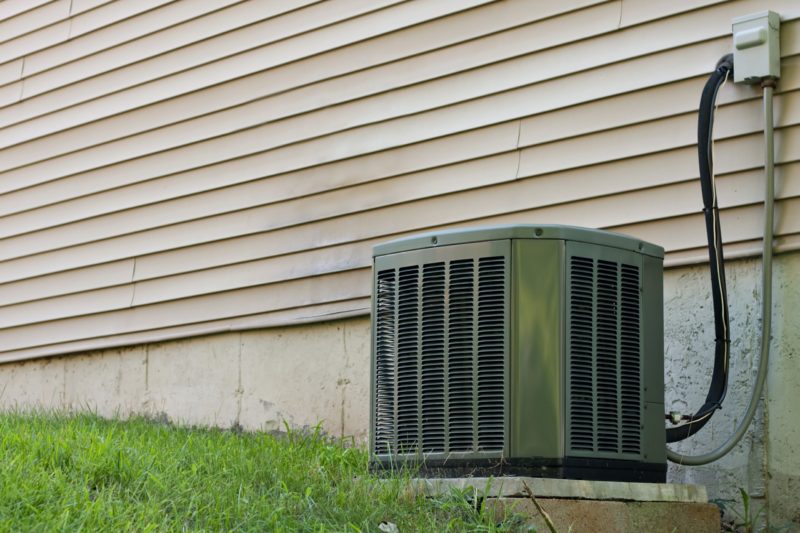
Why Is My Air Conditioner Freezing Up

During a sweltering North Carolina summer, the last thing you need is for your air conditioner to freeze up. When this happens, air can’t move through, and you have to wait for it to thaw out in order for cool air to start flowing back through your home. So, what causes this problem, and how can you fix it and prevent it from happening again? Our company provides AC repair in Garner and is sharing the main factors of why your air conditioner is freezing up and what to do about it.

Excess Humidity Increases Ice Forming

It’s no secret that it’s horribly muggy in the summer in North Carolina, and if the area where the interior unit of your air conditioner is located is also humid, ice will form more quickly on the coils. The more humid the air is, the more ice builds up within your air conditioner and crawls up the pipes.

If you feel that moisture may be speeding up the formation of ice on the coils of your air conditioning unit, consider putting a dehumidifier near the unit.

Lack of Airflow Causes AC Freezing

The most common cause of why your air conditioner freezes up is a lack of fresh airflow. The compressor coils stay at a cool temperature that is prone to freezing, so if warm air is blocked from entering the air conditioner, there’s nothing to warm the coils and keep them thawed and at the proper temperature.

Lack of air flow could be caused by:

  • Dirty air filter
  • Blocked air duct
  • Blower motor has gone out (listen for a rattling sound)

Dirty Evaporator Coils

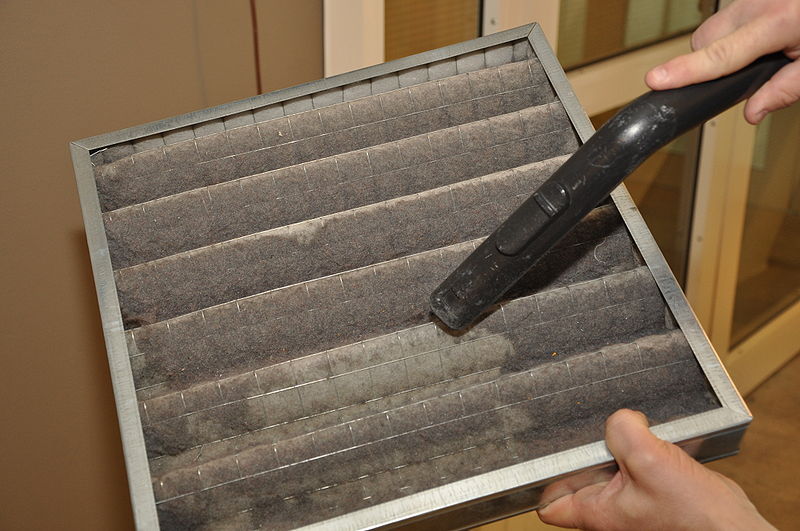
If you haven’t changed your air filter or you aren’t using the right kind, not only is a lack of airflow causing a frozen air conditioner, but dust may have built up around the coils. Because these coils are damp, any dust and dirt blowing around sticks to them and as the particles build up, it holds in the cold air. Any warm air flowing in doesn’t reach the coils to keep them thawed, so while moisture and dust continue to build up, the coils basically turn into a block of solid ice.

Low Levels of Refrigerant Leads to Freezing Up

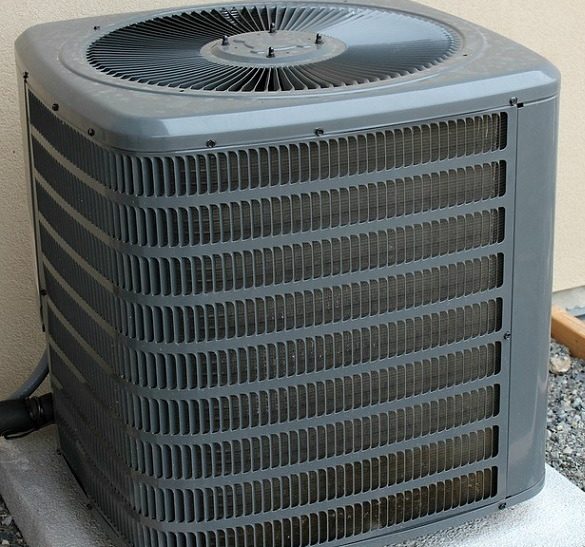
If the problem isn’t dust, airflow, or moisture, the problem may be related to your refrigerant. First, let’s look at what refrigerant actually does. The outside compressor moves refrigerant from the outside unit’s condenser to the inside unit’s evaporator. The refrigerant is liquid and absorbing heat from your home, but as it collects the heat, it vaporizes. In vapor form, it brings the heat back to the compressor where it heats the refrigerant even more until it’s a hot gas. While in the compressor, the heat releases, causing the refrigerant to become a liquid, and cycling back into your home to absorb more heat.

When the refrigerant is low, it turns into a gas too early and creates a cold reaction that condenses moisture on the coils which causes ice to form. If this continues to happen, the ice builds up and freezes the coils completely.

Air Conditioner Keeps Freezing Up? Call Us Today

If you’ve tried troubleshooting your air conditioner and it’s still freezing up, it’s time to call in the pros. At Bowman Mechanical, we can find out exactly what the problem is and make sure it’s taken care of so your air conditioner is running efficiently and keeping your home cool and comfortable. We also offer HVAC maintenance plans that will extend the life of your unit, improve its efficiency, and minimize the need for repairs. To schedule service, call us at  919-822-8512 or fill out the form below to get started. 

Why Is My Furnace Blowing Cold Air

When the weather outside is frightful, you don’t need to rely on a fire to keep your home warm– that’s what your furnace is for. What should you do if, rather than keeping your house warm and cozy, your furnace is blowing cold air instead of producing heat?

Often, there is a fairly simple solution to fixing a furnace that is blowing cold air. Our Raleigh furnace repair company wants to keep you warm all winter by sharing the reasons your furnace is blowing cold air and the best ways to troubleshoot the problem and get it working properly again.

First, How A Furnace Works

When the temperature in your home goes below the temp programmed into your thermostat settings, the thermostat will signal the furnace’s internal control board to initiate the heating process. The furnace’s ignition switch is activated, the gas valve opens, and the draft fan turns on.

This combustion process warms up the heat exchanger, and flue gases are then released through the heat exchanger and the exhaust pipe. Room temperature air is then blown through the blower fan, where that air absorbs the heat from the furnace before it travels through the air ducts into your home.

If your furnace is operating correctly, the air being filtered into your home is now heated, providing a warm and comfortable home throughout the winter. Unfortunately, sometimes there can be a broken piece of the system that makes the entire process fail, causing your furnace to blow cold air.

If your furnace is failing to warm your home and is blowing cold air, it’s important to call a professional furnace repair technician for the safety and protection of your home.

Reasons Why A Furnace Might Blow Cold Air

A furnace that blows cold air can be either a simple or complex fix, as there are many reasons that this could be happening. Let’s explore some of the common reasons why your furnace may be blowing cold air.

Your Furnace Isn’t Warmed Up Yet

Just like when you run the hot water to take a shower, it can take a few minutes for the water to warm up before you get the desired temperature water out of the pipes. Similarly, if you notice your furnace blowing cold air after the thermostat turns on, wait a few minutes to give the combustion process time to heat the air through the vents. If after several minutes the furnace continues to fail to generate heat, then continue the troubleshooting process to try to figure out the source of failure within the heating system.

The Thermostat Is Set Incorrectly

If you notice your furnace is blowing cold air, check your thermostat first, and make sure it’s not set on cool. Whether someone bumped it, a child was playing near it, or you had a warm day not long ago and forgot to reset it, thermostat settings are often one of the common and simple reasons for cold air to blow from your system.

Your Thermostat Isn’t Compatible with Your Furnace

Thermostats are not universal to every furnace, so if you have a furnace that’s older than 10 years old, and you purchased a new smart thermostat, like a Nest, it may simply be that the furnace and thermostat are not compatible.

There are three types of thermostats:

  • Low Voltage: the most common type seen in newer systems;
  • Line Voltage: seen with electric baseboard heating and older systems;
  • Millivolt: often used in direct vent furnaces and mobile home systems;

Most smart thermostats are low voltage, so if you have a line voltage or millivolt, it will kick the system on, but it will blow cold air.

Similarly, consider the stage of your system. A single-stage system runs at full capacity all the time while a multi-stage (or stage two system) can run at low or high speeds. Some thermostats aren’t compatible with multi-stage systems. If you are unsure whether or not your new thermostat is compatible with your furnace, contact an experienced skilled furnace technician to schedule an inspection of your furnace and thermostat compatibility.

The Furnace Air Filter Is Dirty

A dirty air filter is a common culprit to a gas furnace heater blowing cold air. Your furnace’s air filter keeps dirt, dust, and allergens from getting into your furnace, but if it’s clogged, fresh air can’t get in at all.

When this happens, the furnace can overheat, shutting down the burners. The heater will still continue to kick on, but without burners to heat the air before it moves into the ductwork, your furnace will blow cold air.

It is recommended that homeowners clean their filters every 90 days or when it is noticeably filled with grey lint and dust buildup. If you are unsure of the preventative measures to take with your gas furnace, contact an HVAC professional for regular maintenance advice.

There’s Damage To Your Ductwork

Your ducts are responsible for transferring heated air from your furnace through your home. If your ducts are older and have cracks or leaks, cold air from your attic may be seeping into the ductwork and overpowering the warm air. Having your ducts cleaned and repaired will prevent leaks and ensure clean, comfortable air is traveling throughout your home without interruption.

Your Furnace Has Overheated

When a furnace overheats, the safety feature shuts the furnace off, which could be causing your furnace to blow air that is cold. This does not mean your furnace is necessarily broken- as a broken furnace will not activate the safety switch to stop hot air from blowing. When a gas furnace overheats, it’s usually because of a mechanical failure, dirt buildup, or the old age of the HVAC system.

If you detect signs of overheating, it can be very dangerous to your home and everyone in it. If the gas supply is on, but the furnace overheats causing the air to become trapped, it can lead to a fire, carbon monoxide leak, or even an explosion. Call an HVAC professional to look at why your furnace is blowing cold air, check the gas supply pipe, and determine if the heat pump is in working order or needs to be repaired or replaced.

The Condensate Line Is Clogged

If your vents are blowing cold air and you see a puddle of water around the surface of your furnace, it is likely that the condensate lines are blocked, resulting in it producing cold air. High-efficiency furnaces produce condensate, or water, that empties through a drain line. However, if there is water clogged in the condensate lines due to the buildup of dirt, mold, dust, or even ice, the overflow kill switch will activate, resulting in the furnace shutting down and water pooling or flooding.

The Pilot Light Is Out

If your furnace is in a drafty basement or other areas of your home where a small flame can easily be blown out, then it is possible that the source of cold air is a blown-out pilot light. This can be a problem with older furnaces, as newer furnaces have electric pilots that don’t need to be on all the time.

The pilot is a small flame that is continuously lit to keep the larger burners going when the heat kicks on. If the pilot light goes out, there’s no spark to light the larger burners, thus, no heat can travel through the ducts.

There Is A Problem With The Gas Supply

One of the more difficult issues with a furnace blowing cold air is that there may be a problem with your gas supply. Blocked gas lines, cracks in the gas valves, or a gas leak can cause the furnace to shut down and no longer produce hot air. Working with the gas supply is dangerous and should only be done by HVAC professionals with experience in working with natural gas furnaces.

Reaching Out To An HVAC Repair Company

If your furnace is blowing cold air, and simple fixes like checking the thermostat and changing the air filter don’t help, this is probably a job for professionals.

Trying to fix a furnace on your own can be significantly more dangerous and complicated than you realize. Even something that seems simple, like cleaning a gas valve or changing an oil filter can ultimately cause more issues than fixes if you do not know what you are doing. An improper repair can lead to more serious damage and even the risk of a fire.

It is always best to call an experienced furnace repair technician who can properly diagnose the problem, fix it fast, and have your furnace heating your home properly all winter long.

Schedule Furnace Repair for Your Garner Home Today

You rely on your furnace to keep your home cozy and comfortable through chilly Raleigh winters. Whether it’s blowing cold air or there’s something else wrong, an experienced HVAC technician from Bowman Mechanical Services can quickly spot the problem and restore heat and comfort to your home.

Give us a call at [phone] or fill out our contact form below to schedule service on maintenance and repairs.
How Often Should You Change Your Furnace Filter?

A steady source of clean air into your furnace is necessary to keep it running smoothly, extending its lifespan, and heating your home, and your filter is key ensuring that flow of clean air. Because it’s hard at work filtering dust, dander, and all kinds of allergens, it needs to be changed, but how often should you change it? While there isn’t a set-in-stone answer, our furnace repair company in Garner is sharing some best practices as well as signs it’s time to replace the air filter in your furnace.

General Recommendations to Change Your Furnace Filter

If you’re using a basic fiberglass filter in your furnace, a general guideline is to change it every 30 to 60 days. If you have a higher quality, pleated filter that’s four inches thick or more, the life span is extended to around every six months. Some filters even have a recommended lifespan of 12 months. However, what guidelines say and what your home needs may be two different things.

Factors That Affect the Lifespan of Your Air Filter

Every home has different factors that affect how quickly (or slowly) their furnace’s air filter gets dirty and needs to be changed.

  • Pets – Having several furry friends living in your home means more dander and hair will get caught in your filter, requiring more frequent changes than a home with no pets.
  • Dust – If your home gets dusty quickly, whether from carpets that hold onto more allergens and particles, more knickknacks and books, or leaking air ducts, more dust will get cycled back into your air filter.
  • Furnace use – The more you use your furnace, the more often you’ll have to change your filters. Living in North Carolina, you would probably not have to change your filter as often as a person living in Maine simply because your furnace doesn’t have to work as long or as hard.

Checking Your Furnace Filter

It’s a good idea to check your filter once a month to see if it’s time to change it. Not sure what to look for? Consider these signs it’s time to change your filter:

  • The filter itself is visibly dirty and dusty. If you see a layer of grime on the filter, replace it immediately.
  • You notice a burning dust smell near your furnace or a smell when it kicks on.
  • You see more dust around your home (your filter should be removing dust from the air, but if it’s full, it’s not going to do much good).
  • Your furnace is running more frequently or your energy bills are higher than they should be because the efficiency is lower.
  • The furnace is blowing cold air because it’s overheated.

How to Change a Furnace Filter

Simply open the door panel (or slide it open). The filter should be near where the cold air enters the furnace, or in the cold air return duct or the entrance to the blower changer. Remove the old filter and slide in the new filter, making sure to point it in the correct direction with the air flow arrows pointing toward the blower and away from the cold air. Replace the door panel, and you’re set for at least a month.

Schedule Furnace Repair Service in Garner and South Raleigh Today

If replacing the furnace doesn’t fix any of the problems you’re experiencing or you’re in need of more in-depth maintenance, we can help. Our experienced team works in South Raleigh, Garner, and the surrounding area, providing effective repairs that will restore cozy comfort to your home. Give us a call today at (919) 679-9756 or fill out the form below to learn more.

Geothermal Heat Pumps vs Air Source Heat Pumps: Which Is Right for You?

If you are trying to decide on the type of heat pump you should get for your house, start to educate yourself on the different kinds of heat pumps. There are many factors to consider when choosing a heat pump like initial cost, efficiency, monthly cost, and comfort.

In this article, we will give you information about two popular types of heat pumps–geothermal and air source. You’ll learn what each one is, how they work, and be able to make a better decision between the two. At Bowman Mechanical Services, Inc., our HVAC professionals have expertise in both geothermal and air source heat pumps and can assist you in making the right decision for your home.

What is a Heat Pump and How Does It Work?

Unlike a traditional fuel-burning furnace, a heat pump simply moves heat from one location to another. Heat pumps are energy-efficient and dramatically reduce harmful emissions. A heat pump can heat your home in the winter and cool it in the summer. How does it do both? Let’s see.

When it is cooling, a heat pump and a refrigerator work similarly. Heat is extracted from the air through a process called the refrigeration cycle. It is a 3-step process that converts liquid refrigerant into a gas and then back into a liquid. There are three main components in the heat pump–the evaporator, compressor, and condenser.

A blower that is connected to the evaporator directs the cooled air into the heat pump’s air distribution. The cycle of refrigeration repeats until your home reaches the temperature setting on the thermostat.

If your heat pump has reverse operation, it can provide heating also. Air source heat pumps extract heat from the outdoor air and condense it until the air is warm enough to heat your home at the appropriate temperature.

Two Types of Heat Pumps

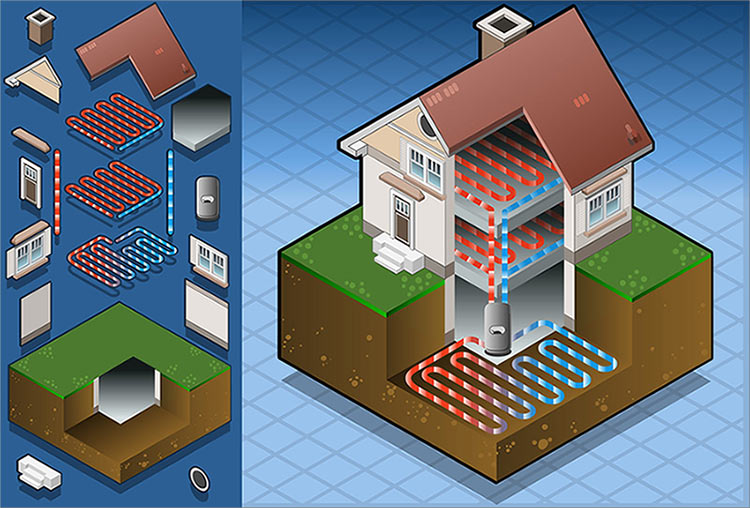
The two primary types of heat pumps are air source (ASHPs) and geothermal (GSHPs), also called “ground source.” The main difference and what sets them apart is where they source their heat from. The GSHP absorbs and transfers heat from the ground and the ASHP transfers heat from the air.

Geothermal Heat Pump

Geothermal heat pumps collect available and renewable heat that is underneath the surface of the earth. This heat has a consistent temperature regardless of the season. No defrost cycle is required and the units maintain a stable output. 

Air Source Heat Pump

The air source heat pump collects air from the outdoors. The temperature of the air is constantly fluctuating so the air source heat pump is adapting to a greater variance of degrees.  Because the above-ground air is inconsistent, an ASHP must work harder in the winter when the air outside is colder and harder in the summer when the air outside is hotter. An ASHP system becomes less efficient as the temperatures vary.

Geothermal Heat Pump Advantages 

Geothermal heat pumps have these advantages over air-source models:

Is more efficient

GSHPs are more efficient than ASHPs because the temperature below ground is relatively stable as compared to the air temperature above ground. The ground temperature at a depth of 10 feet is probably going to remain around 50 degrees Fahrenheit all winter. This causes the GSHP to operate at peak efficiency more of the time. 

Has longer lifespan and little maintenance

The heat loops for a geothermal heat pump can last over 50 years. This is a long-time investment that has a great return over time. Very little maintenance is required over the lifetime of the system. Only the heat pump itself needs to be replaced at some point, probably after 20 to 25 years.

Saves money over time

As compared to costs of conventional air conditioners, furnaces, and ASHPs in maintenance and replacement, a geothermal system’s initial cost becomes worth it. A GSHP has extremely low operating costs as compared to an ASHP’s cost. You can expect to invest about $12,000 to $30,000 for a complete geothermal installation. For large homes, the cost can range from $30,000 to $45,000 for high-end ground source heat pump systems. The size of the home, the location, types of soil, available land, and local climate all influence the GSHP costs you invest initially.

Adds to your home’s equity

Installing geothermal heating and cooling is a huge improvement that increases your home’s value. A GSHP is a limitless heating and cooling source in the yard, instead of one that costs money every time you adjust your thermostat.

Air Source Heat Pump Advantages

Air source heat pumps have these advantages over geothermal heat pumps:

Cost less up-front

The up-front costs for air-source heat pumps are much lower than for geothermal systems. An ASHP on average costs between $3,625 and $5,200 for each indoor air handler unit you install in each room (or zone). The cost of a total installation of a ducted central ASHP can cost between $10,500 and $18,975. It depends on how many indoor units, the home size, and if you need ductwork replacement or installation. 

Better return on investment in moderate climates

If you live in a geographic area that has a moderate climate, your ASHP will have a better return on investment. If you live in an area that has colder temperatures, you may see a decreased return.

Contact Us Today For Help!

As you can see, there is a lot for you to consider when deciding between a geothermal heat pump and an air source heat pump system. You have to think about long-term, cost savings over time, your climate, and many other factors. At Bowman Mechanical Services, Inc. we can help you through the decision-making process and show you different types of heat pumps. Call us at 919-679-9756 or contact us on the form below. 

Whole House Dehumidifier vs Portable Dehumidifiers: Which Is Better?

If you have a moisture problem in your house, you should be looking at getting a dehumidifier. As you shop, you’ll find that you are faced with the decision of which type is better, a whole-house dehumidifier or a portable one. There are several factors to consider when you are making your decision, such as where the moisture is located in your house and if the moisture is seasonal or year-round. 

Bowman Mechanical Services, Inc. has expertise in removing moisture from homes. Our focus is to improve your indoor air quality and, in that endeavor, we can assist you in getting the right dehumidifier for your specific needs. In this article, we outline the pros and cons of whole-house dehumidifiers and portable ones, as well as things to consider about your moisture situation.

Assess the Humidity Problem in Your House

A moisture problem in your house leads to a whole host of other problems. High humidity levels allow indoor mold to grow, which affects the health of your family. Issues that result from humidity levels higher than 70% are:

  • Allergies
  • Corrosion
  • Decay
  • Dust mites
  • Termites and other insect infestations
  • Moisture-related deterioration of the house

Is the humidity high in just one room? If so, you may look at a portable dehumidifier being the best solution. But, if the humidity level is high in a larger space in your house, then a whole-house humidifier makes better sense. Additionally, is the moisture seasonal or year-round? Seasonal humidity may make a portable dehumidifier be the better choice.

How a Dehumidifier Works

When the dehumidifier springs into action, it orchestrates a two-step process. Firstly, a powerful fan draws in warm air currents, propelling them towards the refrigerated coils within its core. As the warm air encounters the chilled coils, a fascinating transformation occurs. The air contracts, relinquishing its moisture in the form of condensation.

Marvel at the ingenuity of the dehumidifier as it diligently collects these tiny droplets of moisture, depositing them into a convenient storage tank. This efficient system ensures that your living space remains free from excessive humidity, providing a breath of fresh air.

But that’s not all—a dehumidifier doesn’t stop at extracting moisture. Once it has completed its task, it generously releases cooler, drier air back into your home. You’ll experience the blissful results of its labor as you revel in an atmosphere that feels both refreshing and comfortable.

Keeping a close eye on humidity levels is paramount, and many modern dehumidifiers are equipped with an integrated humidity meter. With this nifty feature, you have the power to fine-tune the relative humidity to your liking, creating an environment that suits your preferences.

Signs You May Need a Dehumidifier

If you have areas in your home where damp air collects, like a basement, you may need a dehumidifier. Signs that you probably need a dehumidifier include:

  • Anyone in the home has a prolonged allergy season each year
  • You have recently moved into the house and your allergies are worse
  • Have a persistent damp smell 
  • The space experiences water leakage after heavy rainfall
  • Muggy air 
  • If anyone has an allergy to dust mites
  • Increase in unwanted pests like spiders, cockroaches, moths, or silverfish
  • Clothes smell damp or moldy
  • Persistent symptoms of respiratory issues like coughing and runny nose

How A Whole Home Dehumidifier Works

A whole-home dehumidifier is a compact appliance that integrates with your HVAC system to effectively control humidity levels throughout your entire house. Once installed as an add-on to your existing system, typically using ductwork similar to your central air conditioner and forced air furnace, it operates seamlessly to maintain optimal humidity levels.

When the indoor humidity surpasses a preset threshold, typically around 50 percent, the home dehumidifier automatically activates. Using a process similar to your central air conditioning system, it draws in moisture-laden air through the return duct, guiding it over a cooling coil. As the air passes over the coil, the excess moisture condenses, transforming into liquid droplets. These condensed droplets are then efficiently channeled either into a collection pan or directly drained into a basement floor drain, effectively reducing the humidity and enhancing comfort levels within your home.

Whole House Dehumidifier Pros

There are several advantages to using a dehumidifier for the whole house:

  • You have the ability to automatically control humidity throughout the entire house.
  • The dehumidifier is located out of sight and has a lower sound level.
  • It is up to 4 times more energy efficient than portable dehumidifiers.
  • There is very little maintenance.
  • Most have better air filters, allowing for fresh air ventilation, than portable dehumidifiers.
  • They are more durable and have better warranties than single room dehumidifiers.
  • They work automatically as needed and can be controlled from a remote humidistat.

Whole House Dehumidifier Cons

There are only a few aspects for a whole house dehumidifier that may be considered disadvantages:

  • Professional installation is required
  • More expensive on the initial purchase, with typical costs between $2600 to $3400
  • Whole house dehumidifiers can’t be taken with you when you move

How Portable Dehumidifiers Work

A portable dehumidifier functions as a standalone unit designed to dehumidify a specific room or area. Unlike a whole-home dehumidifier, it is not integrated with the HVAC system and can be easily moved from room to room as needed. When operating, a portable dehumidifier utilizes a built-in fan to draw in the surrounding moist air. This air is then directed over a set of chilled coils that are cooled using a refrigerant, similar to the cooling process in an air conditioner. As the air passes over the cold coils, its excess moisture condenses and transforms into liquid droplets. The collected humidity is typically accumulated in a removable container or drip pan, requiring manual emptying. Some portable dehumidifier models offer the convenience of a built-in pump for drainage. Once the dehumidification process is complete, the unit releases the drier air back into the room, effectively reducing the humidity level.”

In comparison to a whole-home dehumidifier, a portable dehumidifier has a more localized approach. While a whole-home dehumidifier is integrated with the HVAC system and serves to dehumidify the entire house, a portable dehumidifier focuses on dehumidifying a specific room or area. Portable dehumidifiers offer the flexibility to target moisture issues in different parts of the home as needed. However, they require manual operation, including emptying the water container and moving the unit between rooms. On the other hand, a whole-home dehumidifier provides comprehensive humidity control throughout the entire house, operating in conjunction with the HVAC system and requiring little to no manual intervention.

Portable Dehumidifier Pros

If your moisture problem is in one defined space, a portable dehumidifier has these advantages:

  • Less expensive than whole-house models
  • Easy to install with a simple plug-in
  • Easy to move around to different areas or take with you when you move
  • Simple to operate with digital controls

Portable Dehumidifier Cons

Cons for portable dehumidifiers include:

  • Only dehumidify one room at a time
  • Require maintenance (for example, dumping collected moisture with a gravity drain or pump)
  • Noisy in the rooms where they are situated
  • Take up space in the room
  • Shorter lifespan than a whole house dehumidifier
  • Louder during operation
  • Often less energy efficient

How to Decide

Again, you first ascertain the area that you need to control the humidity in. If it is a larger area–multiple rooms, floors, or throughout the entire home–a whole-house dehumidifier will address your needs. Additionally, if the humidity issues are year-round, a whole-house option works better. If, on the other hand, the excess humidity problem is primarily seasonal, just in one or two rooms, or in a smaller area, then the portable dehumidifier may be the better solution.

Call Us for Dehumidifier Solutions!

If you have moisture issues in your home, call Bowman Mechanical Services, Inc. to help! We are experts in achieving healthy air quality for you and your family. To learn more aboutair quality control for your home in Raleigh, Garner, and surrounding areas of the Triangle, call us at 919-679-9583 or contact us via the form below.

How to Kill Dust Mites and End Fall Allergies

Most people associate sniffling, sneezing, itchy eyes, and scratchy throats with spring pollen, but fall can be just as bad for allergy symptoms. Before you reach for an over the counter medicine and a box of tissues, we are sharing some ways you can kill dust mites and improve the air quality in your home.

Common Causes of Fall Allergies

While flower and tree pollen are the main culprits for springtime allergy symptoms, fall allergies come from much different sources, including:

  • Ragweed
  • Mold from piles of wet leaves
  • Smoke from burning leaves and wildfires
  • Dust that’s built up inside the home and within the furnace;
  • Pet dander

Minimizing Fall Allergy Symptoms

If you do find yourself suffering with allergy symptoms during the fall months, here are some simple, effective tips to minimize your discomfort both indoors and outdoors.

Outdoors

  • Reduce mold growth around the outside of your home by clearing away leaves quickly, keeping fall decorations like straw bales and gathered cornstalks dry, and throwing away jack-o-lanterns if they begin to sag.
  • Wear a respirator or an N95 mask when you’re out working in the yard, mowing the lawn, raking the leaves, or doing other activities that can kick up dust or expose you to ragweed pollen.
  • Keep your car windows closed when driving.
  • Avoid tracking in pollen, dust, and mold by leaving your shoes at the door, and taking a shower immediately when you come inside from doing yard work.

Indoors

  • Keep your windows closed to prevent pollen, smoke, and dust from coming inside.
  • Upgrade your HVAC air filter to reduce the amount of particles flowing through your home.
  • Control the humidity in your home – too dry and dust, pollen, and other particulates become more severe, but too much moisture can lead to mildew and dust mite infestations. Consider a whole home dehumidifier that allows you to monitor and make adjustments for optimal comfort.
  • Wash bedding regularly using hot water.
  • Vacuum carpeting regularly using a high efficiency filter or use a damp mop on hard surface floors.

What Are Dust Mites?

In addition to airborne allergens and pollutants listed above, dust mites are a known trigger for allergic reactions and rashes, but what are they? Dust mites are microscopic insects related to ticks, but instead of biting or burrowing into our skin, they feed on dead human skin cells that make up dust within the homes. They are most often found living in fabric, including bedding, mattresses, upholstered furniture, carpeting, and window coverings, where dead skin cells cling.

As dust mites devour skin cells, they release fecal pellets and body fragments which are the cause of indoor allergy symptoms and asthma attacks. Not only are they dangerous, mites are prevalent – studies have found that almost 80 percent of homes in the United States have detectable levels of dust mite allergens.

How to Rid Your Home of Dust Mites

Dust mites thrive in damp environments because they absorb moisture through their skin, and they make their homes in fabric and upholstery. To eliminate dust mites, you need to eliminate favorable conditions which involves:

  • Reducing fabric by swapping out drapes and curtains with blinds, cover mattresses and pillows, and even take up carpeting if symptoms are severe.
  • Remove stuffed animals that aren’t used or played with. Wash the ones kept at least once per week;
  • Keep your home below 50 percent humidity with a dehumidifier.
  • Wash bedding and pet bedding in hot water at least one time per week (including comforters and blankets)
  • Vacuum upholstery and carpeting frequently – daily if allergies are severe;

Improve Air Quality in Your Home with Bowman Mechanical Services

Your home should be a healthy haven, but dust, dander, and dust mites can leave you feeling anything but healthy. Fortunately, we can help. We offer a wide variety ofindoor air quality improvement services to homes and businesses in South Raleigh, Garner, and the Triangle area. From air duct cleaning to prevent dust and debris from cycling through your home to inline media filtration devices and whole home dehumidifiers, we have everything you need to help you keep the air in your home clean and healthy. Give us a call today at (919) 679-9756 or fill out the form below to learn more.

Indoor Air Quality Tips to Stay Healthy

We all want to do everything we can to stay healthy and avoid the colds, flu, and allergy problems that seem to be a year-round battle, and now, with COVID-19, it’s even more important we do what we can to stay healthy. Vitamins, vaccinations, frequent hand washing, and plenty of sanitizing are important, but one step that is often overlooked in the fight to stay healthy is to improve the air quality in your home. To help you and your family stay healthy (and STOP thinking of the calendar as “cold season, flu season, and allergy season!), we’re sharing some tips to improve your indoor air quality.

Why Is Indoor Air Quality So Important?

Indoor air quality refers to the air quality inside and around buildings, including homes, schools, and churches, and businesses. While we often think of pollution as being an outdoor concern, picturing smokestacks and refineries releasing toxins into the air, indoor pollution is just as serious and, in many cases, more dangerous. The enclosed spaces and lack of airflow in our homes mean there often isn’t any way to “dilute” the particulate matter in the air nor is there enough air flow to carry it away. Instead, pollution and particles hover in the air where they are inhaled and exhaled over and over and recycling through our duct work.

Common Sources of Indoor Pollution

  • Fuel burning combustion appliances, such as your furnace;
  • Cigarette smoke;
  • Pet dander and dust;
  • Volatile organic compounds in upholstery, carpet, paint, and pressed wood furnishings;
  • Household cleaning chemicals;
  • Mold spores and microbial contaminants caused by excess moisture;
  • Outdoor air pollution that isn’t filtered as it enters your home;
  • Dust mites in carpet and fabric;

Problems Caused by Poor Indoor Air Quality

Indoor pollution can lead to a wide variety of health problems from mild, yet ongoing symptoms to serious chronic health conditions. The most common problems associated with air quality include:

  • Headaches;
  • Allergy symptoms – stuffy nose, itching eyes, sore throat;
  • Asthma attacks
  • Dizziness;
  • Rashes and skin irritation;
  • Nausea;

Because you’re fighting these symptoms, your immune system is unable to fight off illnesses like colds and flu. Then, if you do get sick, poor indoor air quality simply makes it worse.

Simple Ways to Improve Indoor Air Quality

First, let’s look at simple steps to improve the air in your home today.

Cleaning

If dust, mold, and pet dander are triggers for breathing problems, cleaning your home regularly will reduce the issue. Daily vacuuming with a HEPA-filter vacuum will get rid of some of the dust and dander, while keeping your home clean will reduce airborne bacteria. Make sure you vacuum your air intake vent and vents around your home to reduce dust blowing through your home.

Change Your Air Filters

Your furnace, air conditioner, or heat pump cycle air through your home, so making sure clean air can get into the systems will improve your air quality. Changing your air filters once a month will reduce dust and improve efficiency of your system.

Remove Houseplants

There’s a common misconception that plants clean the air and improve air quality, but they also collect mold and release moisture into the air. Many people find houseplants trigger allergies and asthma symptoms, so when you weigh the pros and cons, we find house plants do more harm than good.

Open the Windows

Even in hot and cold months, keep the windows open for a few minutes every few days to bring fresh air into the home and sweep out air pollution.

Most Effective Ways to Stop Indoor Air Pollution

While cleaning and opening windows help, to keep your home (and your family!) as healthy as possible, you want to take more definitive action. These are the long-term ways to get healthy air in your home.

Control Humidity

If your home is too humid, mold spores can grow and bacteria thrives, but too little humidity can dry out your skin, your hair, your throat, and increase viral growth. Having a whole home dehumidifier that ties into your duct work and can be controlled to add moisture or remove it will keep the moisture levels balanced. This will keep you more comfortable, improve the “real feel” of your home’s temperature, and improve your respiratory health.

Have Your Vents Professionally Cleaned

The air you breathe is continually cycling through your home’s ductwork. Heated air and cooled air both go through your heating and cooling systems, then are blown through your home via your duct work. If left ignored, ducts are filled with dust, dander, and particles that are carried through the air as the heat or AC kick on.

By having your vents cleaned once every three years or so, you can eliminate much of the pollution in your home’s air that is cycling through.

Improve Your Air Filtration

Having your vents cleaned regularly is good, but filtering the air that is cycling will prevent dust, dander, mold, and other particles from circulating through your home in the first place. Whole home air filtration systems use HEPA (High Efficiency Particulate Air) filters to get the best possible results for your home, providing hospital-grade filtration at around 99 percent effectiveness.

Increase Air Flow

While opening the windows to air out your home is a good solution for the short term, this is assuming the temperature and the outdoor air quality allows it. If pollen is thick or there are wildfires in the area, the air outdoors is worse than what’s indoors. However, when you increase ventilation through an automated system that works in conjunction with your air filtration, you’ll get a continued flow of fresh clean air in your home, diluting any contaminants and improving air quality.

Schedule an Air Quality Consultation in Garner Today

At Bowman Mechanical Services in Garner, we offer a wide variety of solutions to improve the air quality in your home or business. From duct cleaning to installing comprehensive dehumidifiers, ventilation, and filtration systems, you can rely on us to help you breathe easier and keep your family healthy. Schedule a quote today at (919) 679-9756 or fill out the form below to learn more.

Furnace vs. Heat Pump: Which Is Right for You?

If you’re ready to replace your current heating system, you may be considering a replacement furnace or even having a heat pump installed. The problem is that you don’t know the benefits of either one nor which one is right for your home. Not a problem – our heating repair and installation company in Garner is breaking down what each system does, their benefits and drawbacks, and most important, which one may be right for you.

How Do Furnaces and Heat Pumps Work?

Both furnaces and heat pumps are used to heat your home in cool weather, but the way they do so is completely different. A furnace uses a fuel source like natural gas or heating oil to burn in a combustion chamber. A fan then takes the heated air that is produced and sends in through your home’s duct work.

A heat pump doesn’t rely on any fuel source to heat the air. While it acts as your air conditioner in the summer, in the winter it works in reverse. The refrigerant absorbs any heat from outside air (even when the air is below 30 degrees) and cycles it into the home and through your duct work. While a furnace generates heat, a heat pump transfers it.

Benefits and Drawbacks of a Furnace

Now that we know how each system works, let’s look at the benefits and drawbacks of a furnace.

Benefits of a Furnace

The leading benefit of a furnace is they generate heat, making them ideal during extreme cold, and the air that comes through the vents is often much warmer than what would come through from a heat pump. Additional benefits include easier repair because there are fewer parts involved and the operation is quieter.

Drawbacks of a Furnace

Homeowners need to consider that furnaces are significantly less energy efficient than a heat pump because it’s frequently burning a fuel source to create heat, so having one means you can expect to see higher bills in the winter. You also need a separate air conditioner system which can increase your overall heating and cooling maintenance and installation costs, as the only part the furnace and AC share is the air circulating fan that sends air through the duct work.

It’s also necessary to have carbon monoxide detectors when you have a furnace. Anytime you’re burning a fuel source indoors, which is how a gas furnace works, carbon monoxide is produced, which, if there is a leak, can be dangerous or even fatal.

Benefits and Drawbacks of a Heat Pump

Heat pumps are basically the opposite of a furnace when it comes to benefits and drawbacks.

Benefits of a Heat Pump

A heat pump is an energy efficient option that can keep your energy bills significantly lower than a gas furnace. Additionally, it’s an all-in-one heating and cooling system, so it’s also got your air conditioner connected. This means there’s only one system to install, maintain, and repair which also saves space in your home.

Additional benefits include:

  • No risk of carbon monoxide
  • Long life span
  • Less maintenance required
  • Low carbon emissions
  • Lower installation cost

Drawbacks of a Heat Pump

The main drawback of a heat pump is the refrigerant can only pull in heat when the air temperature is above 20 degrees (though it works best at 30 degrees and up). While the Raleigh area doesn’t often go below that temperature, in areas that see colder temps, having an auxillary heat source is important.

Similarities of a Heat Pump and Furnace

Just because they’re very different doesn’t mean they don’t have anything in common. Both furnaces and heat pumps require seasonal maintenance in order to get the best results, extend their life spans, and prevent issues like condensation dripping and dust clogging the system. They both need to have their filters changed regularly to keep clean air circulating through the system, too.

Also, both systems require electricity to function. A common misconception about a gas furnace is that it doesn’t need a power source for it to turn on, but power operates the safety mechanisms and the thermostats telling it to kick on and off. If the electric goes out, there’s no way for the furnace to turn on.

Most importantly, both systems should be installed and maintained by a certified HVAC technician to make sure the job is done correctly and safely and ensure you have the right sized system for your home.

Should You Get a Heat Pump or a Furnace

When it comes down to it, choosing a heat pump or a furnace really depends on where you live. Heat pumps are ideal for people living in mild, moderate climates, like the Southeast, where the average winter temperatures are above 35 to 40 degrees or higher. On the other hand, people living in colder climates should consider a furnace to be better able to combat temperatures in the teens or lower.

Schedule Service with Our Heating Installation Company

If you’re ready to get a quote on a new heating system installation for your home, we can help. We serve Garner, Raleigh, Holly Springs, Knightdale, and surrounding areas. Schedule service today at (919) 772-2759 or fill out the form below to learn more.

Why Every Home Needs HVAC Preventative Maintenance

Your home’s heating and air conditioning system works hard to keep your home cool and comfortable in the summer and warm and cozy in the winter. If you want to keep it running smoothly and extend its life, it’s important to consider having regular preventative maintenance for your HVAC unit. If you’re unfamiliar with it or aren’t sure if it’s worth the investment, we’re providing a closer look at this service so you can make a more informed decision.

What Does Preventative Maintenance Involve?

Twice a year, typically in the spring and fall, a certified HVAC technician should come out to maintain your HVAC system. Usually only taking between 30 minutes and an hour, the standard maintenance checklist typically involves:

  • Cleaning condenser and evaporator coils
  • Cleaning the drain lines to keep them running clear
  • Checking refrigerant levels
  • Testing capacitors, relays and circuit boards
  • Checking the drain openings for clogs
  • Checking and tightening the electrical connections
  • Testing safety controls within the unit
  • Calibrating Blower Components
  • Inspecting and changing the air filters
  • Calibrating Thermostat
  • Monitoring A/C starting cycle

Not only do we make sure the components are clean, lubricated, and running smoothly, we inspect the unit for any potential problems and bring them to the homeowner’s attention. This way, if there are any concerns, we can get them fixed before it turns into a serious problem.

Benefits of AC Maintenance

Having your heating and air conditioning system inspected twice a year offers several benefits, including:

  • Extending the life of your system – Just like how getting your car’s oil changed and regular maintenance done keeps it in better condition, the same principles apply to your HVAC. A clean system with new components and filters is simply going to last longer.
  • Improve system efficiency – A dirty system with components that are wearing out or out of balance has to work harder to keep your home cool or warm. This translates into higher energy bills.
  • Improve air quality – The air in your home is constantly being cycled through your heating and air conditioning system. If the system is dirty, dusty, or has standing moisture in it, that’s going to be in your air supply, which could make you and your family sick and lead to respiratory problems. A clean system and vents mean cleaner air.
  • Minimize repairs and breakdowns – Not only does maintenance keep the parts lasting longer, but during an inspection, the tech will often catch issues early. This saves you from an inconvenient breakdown and expensive AC repairs.

Does Your AC Needs Maintenance?

If you’ve never had maintenance, or you’re not sure if your system needs it, look for these “symptoms” that your HVAC could benefit from some cleaning and fine-tuning.

  • Your system struggles to keep up with the temperature you’ve set your thermostat at (making sure the temperature is “reasonable”). For example, you have your thermostat set to 74 and it won’t get below 78.
  • Your system runs for long periods in order to get to your set temperature.
  • Your home feels damp and humid because the evaporator coils are dirty and can’t pull moisture from the air.
  • Your energy bills are increasing every year because it has to work harder to keep your home at the desired temperature.
  • You’ve noticed more dust because a system with dirt and debris is putting more into the air each time air circulates through the coils.

Schedule Seasonal HVAC Maintenance in Garner Today

If you want to keep your heating and cooling system running efficiently and lasting longer, we can help. Call us to schedule preventative maintenance for your HVAC today at [phone] or fill out the form below to get started. 

Your Common HVAC Questions Answered

You rely on your HVAC to keep you and your family comfortable through brutal North Carolina summers and brisk, chilly winters, but there’s a lot you may not know about your heating and air conditioning system. At Bowman Mechanical, we’ve served the Garner and Raleigh areas for over 30 years and have found that most people have the same questions, so we wanted to take the opportunity to answer them on our website because you probably have the same questions and concerns.

How Can I Make My HVAC More Efficient?

If you dread opening your energy bills during the hot and cold months, you probably want to know ways you can improve the energy efficiency of your home and your HVAC unit so you stay comfortable but lower the bills. A few tips include:

  • Get a programmable thermostat so you can adjust the temperature when you’re not home, and set to your preferred temperature before you walk in the door. A programmable or smart thermostat can reduce your heating and cooling bills by as much as 30 percent.
  • Replace your air filters once a month and clean your air intake vents to keep air moving freely through the unit.
  • Use energy efficient shades and curtains to keep the heat out and block drafts in the winter.
  • Trim vegetation and plants away from your outside unit to avoid leaves and moisture from getting into the system. If possible place it in a shaded area to prevent it from overheating.
  • Use ceiling and floor fans to keep air circulating through the home and allowing you to set your thermostat higher in the summer.

How Can I Increase the Lifespan of My Air Conditioner?

We know that AC repairs and having to replace your heating and air conditioning system can take a major bite out of your budget so you want it to run smoothly and last as long as possible. The best ways to do this are to keep it running efficiently and follow the tips listed above, make sure you keep the air filters changed, and have it serviced twice a year by a certified HVAC technician who will clean and lubricate essential components while also checking for areas of concern.

Is Preventative Maintenance Necessary?

Your HVAC system works hard almost all year long, and that takes its toll, and preventative maintenance helps minimize the wear and tear your system goes through. It’s like having your car’s oil changed – you can go without that service, but your car won’t run very well after awhile and it’s lifespan will be much shorter than if you made the small investment in keeping it maintained.

HVAC maintenance is simply having it inspected by a certified technician who makes sure it’s in good working condition and makes sure the parts and components are cleaned, lubricated, and changed as needed. Doing this not only reduces repairs, it keeps it running safely and at peak efficiency.

Should I Repair or Replace My HVAC Unit?

When something goes wrong with your heating and air conditioning system, the question we’re asked most often is if it can be repaired or if an HVAC replacement is necessary. A general guideline is the “Rule of 5,000.” Basically, you multiply the cost of the repair by the age of the unit. If the total is over 5,000, it’s generally recommended to replace the system. For example, a $450 repair on a 12 year old system is 5,400, so it may be better in the long run to replace the unit since it’s nearing the average end of its lifespan.

At Bowman Mechanical, we help our customers make the best decision for their home and their budget to repair or replace their HVAC system.

How Do I Know How Large of a Unit My Home Needs?

This is one of the few questions we can’t answer without knowing how large your home is and your specific needs. Guess-timating leads to having a system that is too large which can cool your home too quickly and lead to short cycling, where the system kicks on, gives out a blast of cool air, then shuts down. This is inefficient and can wear out your system quickly. On the other hand, estimating a system that’s too small means your home won’t be comfortable and it will run constantly.

Having an experienced technician come out and look over your location is the only way to determine the right size.

Contact Us for HVAC Service in Garner Today

If you’d like to extend the life of your HVAC system with seasonal maintenance, or your system hasn’t been running like it should be, reach out to our team. Give us a call at 919-944-4603 or fill out our contact form below to schedule service or get a free estimate!