Fan Kicks On But Compressor Not Working: What Raleigh Homeowners Should Check

If the fan kicks on but compressor not working, your air conditioner may look and sound like it’s running even though it isn’t actually cooling your home. That can be frustrating on a hot North Carolina day, especially when the outdoor unit seems partly alive but the house keeps getting warmer.

This is one of those HVAC problems that can have a few different causes. Sometimes the issue is relatively straightforward, like a failed capacitor or thermostat signal problem. Other times, it points to a more serious electrical or compressor-related failure. The key is knowing what you can safely check yourself and when it is time to bring in a professional.

Why the Fan Kicks On But Compressor Not Working

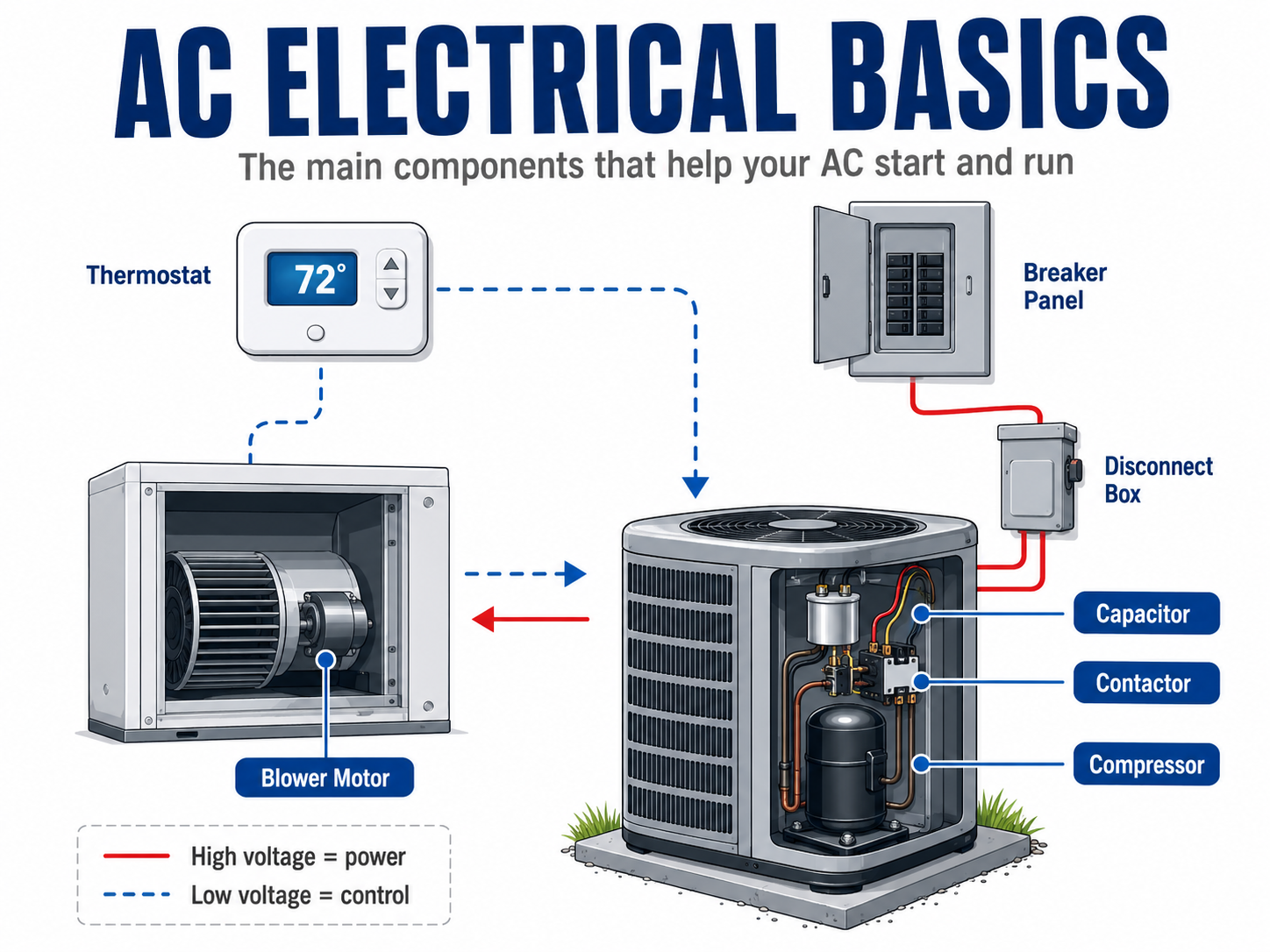
In a central air system, the outdoor unit contains both the fan and the compressor, but they do not do the same job. The fan helps move air through the condenser coil, while the compressor is the component that circulates refrigerant and makes actual cooling possible. When the fan is running but the compressor is not, the system may sound active without doing the part that matters most.

In Raleigh and the surrounding Triangle, this problem tends to show up fast once summer heat and humidity settle in. A system that is only half-working often becomes obvious during the hottest part of the afternoon, when your AC needs to be at full strength to keep up.

Common Causes of This AC Problem

One of the most common culprits is a failed capacitor. Many AC systems use capacitors to help start the compressor and fan motor. In some cases, the fan may still run while the compressor does not get the boost it needs to start. This is a very common service call during hot weather.

A bad contactor can also cause similar symptoms. The contactor is responsible for helping deliver power to the outdoor unit’s major components. If it is worn, pitted, or failing electrically, the compressor may not engage the way it should.

Thermostat and control issues are also worth considering. If the thermostat is not sending the right signal, or if there is a wiring issue somewhere in the low-voltage controls, the system may not fully activate.

Then there are the more serious possibilities. Electrical faults, compressor overheating, or a failing compressor can all prevent the unit from cooling properly. If that is the case, continuing to let the system try to run may put more strain on already stressed components.

What Homeowners Can Safely Check First

Before calling for service, there are a few basic things you can look at safely. Start with the thermostat and make sure it is set to cool and the set point is below the current room temperature. It is also worth checking the circuit breaker to see whether anything has tripped.

If your filter is badly clogged, replace it. A dirty filter usually does not directly cause this exact symptom by itself, but restricted airflow can contribute to broader system stress and poor performance. If the outdoor unit is dirty or packed with debris, that is also worth noting.

Beyond that, it is best not to start poking around inside the condenser. Outdoor units contain high-voltage electrical components, and capacitor-related problems in particular are not a good DIY experiment.

When to Stop Running the System

If the fan kicks on but compressor not working continues to happen, it is usually best to shut the system off and call for service. Letting the unit keep trying to run can increase wear and may lead to additional damage, especially if the compressor is overheating or failing to start repeatedly.

This is also one of those situations where homeowners sometimes notice warm air coming from the vents or a house that never quite reaches temperature. If that sounds familiar, Bowman’s article on why an AC may be running but not cooling your Raleigh home is a helpful related read.

Why This Problem Should Be Diagnosed Professionally

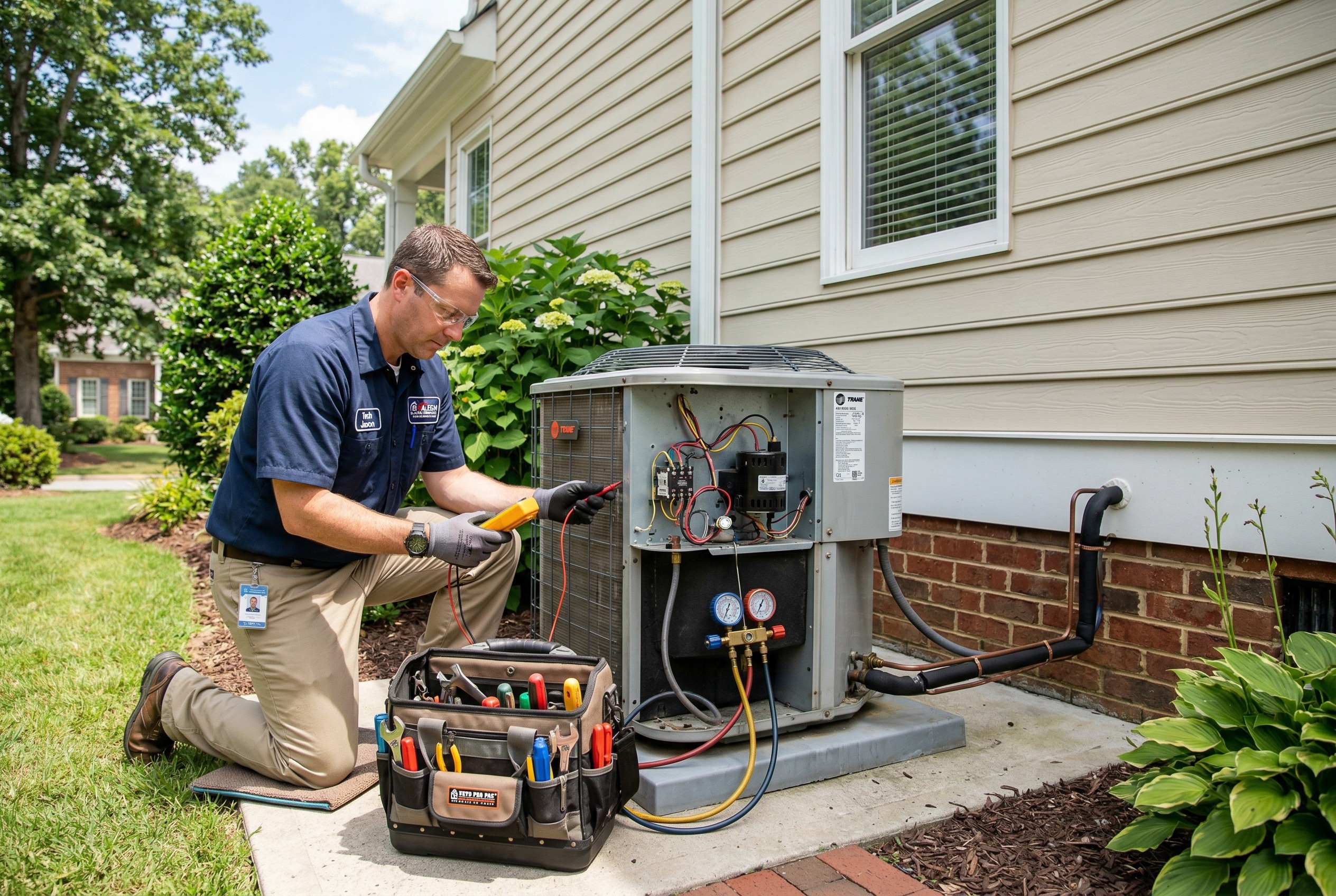
Because several different failures can produce the same symptom, the real issue is not always obvious from the outside. A technician needs to check whether the compressor is receiving power, whether the capacitor is testing within range, and whether the system controls are operating correctly.

This kind of diagnosis matters because the repair options can vary widely. In some cases, the fix is relatively modest. In others, homeowners may need to weigh repair cost against the age and condition of the system. If that becomes part of the conversation, Bowman’s guide to AC repair cost in North Carolina can help frame expectations.

The U.S. Department of Energy also notes that proper maintenance and timely repairs help air conditioners run more efficiently and reduce the risk of larger breakdowns over time. Their maintenance guidance is worth a read, especially if your system has had recurring performance issues.

Preventing Future Compressor and Cooling Problems

Not every compressor issue can be prevented, but regular maintenance gives you a much better chance of catching smaller electrical and performance problems before they turn into a midsummer breakdown. Weak capacitors, dirty coils, and worn contactors are all easier to deal with during a maintenance visit than during an emergency call in July.

That is why seasonal service matters. If you want to reduce the chances of bigger cooling problems later, Bowman’s post on AC maintenance tips for Raleigh homeowners is a good next step.

Call Bowman If Your AC Is Running But Not Cooling

When your outdoor fan is spinning but your house is still heating up, the problem is usually not going to fix itself. If the fan kicks on but compressor not working is what you are seeing, a professional diagnosis can help you avoid extra wear, lost comfort, and bigger repair costs later.

If you are in Raleigh, Garner, Clayton, Cary, or the nearby Triangle, you can learn more about Bowman’s cooling services or contact the team to schedule service.

Frequently Asked Questions

Can an AC fan run if the compressor is bad?

Yes. The fan and compressor are separate components, so the fan may still run even if the compressor is not starting or has failed.

Is a bad capacitor a common reason this happens?

Yes. A weak or failed capacitor is one of the most common reasons an outdoor fan may run while the compressor does not.

Should I keep running my AC if it is not cooling?

Usually no. If the compressor is not working, letting the system continue to run can add stress and potentially make the problem worse.

Do I need repair or replacement?

That depends on the age of the system, the condition of the compressor, and the total repair cost. A technician can help you compare the options.

Why Is My Air Conditioner Running But Not Cooling My Raleigh Home?

If you find your AC running but not cooling, you are not dealing with a minor annoyance. In Raleigh, that problem can make a house uncomfortable fast, especially once spring turns into a humid North Carolina summer. Sometimes the system still sounds normal. The fan runs, the thermostat looks right, and air is coming through the vents. The problem is that the air is not actually cool enough to lower the temperature in your home.


When that happens, homeowners usually want to know two things. First, what is causing it? Second, is this something simple or a sign that it is time to call for repair? The answer depends on how your system is behaving, but there are a few common causes that show up again and again.

Why AC running but not cooling happens

An air conditioner can keep running even when part of the system is not doing its job. The thermostat may be calling for cooling and the blower may still be moving air, but that does not mean the system is removing heat properly.


One common issue is restricted airflow. A clogged air filter, blocked return vent, dirty evaporator coil, or matted outdoor condenser coil can all reduce performance. This is especially relevant in the Triangle, where pollen season can coat outdoor equipment and make an already stressed system work even harder.


Low refrigerant is another major possibility. If the refrigerant charge is low because of a leak, your system may still run for long stretches without cooling the home effectively. You may notice that the air conditioner is blowing warm air or that the house never quite reaches the thermostat setting.


Electrical problems can also cause this issue. A failing capacitor, damaged contactor, or problem with the outdoor unit can leave you with indoor airflow but no real cooling. In some cases, the indoor unit is running while the outdoor unit is not doing enough work to reject heat. That creates the frustrating situation where everything sounds active, but comfort never improves.

Signs the problem is getting worse

Sometimes homeowners wait because the system is still technically running. That can be a mistake. When an AC is operating without cooling properly, it often works longer and harder than it should. That extra run time can increase wear, raise electric bills, and turn a manageable repair into a more expensive one.


Watch for a few signs that point to a real cooling problem. The home may feel sticky or humid even when the AC has been on for hours. Some rooms may stay warmer than others. The thermostat may show the set temperature, but the actual room never gets there. You may also notice weak airflow, warm air from vents, ice on refrigerant lines, or unusual cycling where the system seems to run endlessly.


If your utility bill climbs without a clear reason, that matters too. In Raleigh and surrounding areas, high summer humidity already makes cooling systems work harder. When the unit is struggling mechanically on top of that, energy use can spike quickly.

What you can check before calling for service

There are a few practical things worth checking before assuming the worst. Start with the thermostat. Make sure it is set to cool, the fan setting is correct, and the temperature setting is actually below the room temperature.


Next, look at the air filter. If it is dirty, replace it. A severely clogged filter can choke airflow enough to hurt cooling performance. Then check that supply vents and return vents are open and not blocked by furniture or rugs.


Go outside and look at the condenser unit. If it is packed with leaves, grass clippings, or visible debris, gently clear the area around it. Good airflow outside matters just as much as airflow inside. If the coil looks heavily coated with grime or pollen, that may be part of the problem.


It is also worth checking whether the outdoor unit is actually running. If the indoor air handler is on but the outdoor unit is silent or only partially operating, the system needs professional diagnosis.


Routine upkeep helps prevent a lot of these issues. Regular preventative maintenance can catch airflow restrictions, worn electrical parts, and low-performance issues before they leave you sweating through a Raleigh afternoon.

When it is time to call an HVAC professional

If basic checks do not solve the problem, it is time to bring in a technician. Low refrigerant, frozen coils, compressor issues, failing capacitors, and electrical faults are not good DIY territory. They require proper tools, testing, and safe handling.


This is especially true if your AC is running constantly, the air coming from vents is warm, or the system is short cycling. Those symptoms usually mean the problem goes beyond a simple filter change.


At that point, it helps to work with a company that handles full cooling services and can evaluate the system as a whole rather than guessing at one part. If the issue is tied to airflow, duct performance, or indoor comfort conditions, Bowman can also look at related concerns like indoor air quality solutions, which matter more than many homeowners realize in North Carolina’s long humid season.


For homeowners who want to understand how efficient cooling practices affect comfort and energy use, the U.S. Department of Energy’s air conditioning guidance is a useful resource. It offers a solid overview of how maintenance and system condition affect performance.

What Bowman recommends for Raleigh-area homeowners

When an AC is running but not cooling, the safest move is to address it early. Waiting rarely improves the situation, and in many cases it makes repair costs higher. In Raleigh, Garner, Clayton, Cary, and nearby communities, the combination of heat, humidity, and pollen puts real pressure on cooling equipment. Small performance issues do not stay small for long once summer sets in.


If your house is not cooling the way it should, Bowman Heating & Cooling can inspect the system, identify the cause, and recommend the right fix without overcomplicating it. Whether the problem is airflow, refrigerant, electrical components, or general wear, getting a clear diagnosis is the fastest path back to comfort.


If you can’t solve your AC running but not cooling, contact Bowman Heating & Cooling to schedule service and get your system checked before the next hot stretch hits.

Frequently Asked Questions

Why is my AC running but the house is still warm?

This usually means the system is moving air but not removing heat properly. Common causes include dirty filters, low refrigerant, frozen coils, thermostat issues, or a problem with the outdoor unit.

Can a dirty filter cause an AC to stop cooling?

Yes. A clogged filter can restrict airflow enough to reduce cooling performance, and in some cases it can contribute to coil freezing and longer run times.

Why is my air conditioner blowing warm air in Raleigh?

In Raleigh, warm air from vents may be caused by low refrigerant, pollen and debris affecting the outdoor unit, electrical component failure, or heavy seasonal demand exposing an existing weakness in the system.

When should I call a professional if my AC is not cooling?

If changing the filter and checking thermostat settings do not solve it, or if you notice warm air, ice buildup, unusual noises, or nonstop running, it is time to schedule professional service.

AC Repair Raleigh NC: Common Problems and When to Call a Professional

When your air conditioner stops working in the middle of a North Carolina summer, it does not take long for your home to become uncomfortable. Many homeowners start searching for AC repair Raleigh NC when their system suddenly cannot keep up with the heat and humidity.


Some problems are simple and can be checked quickly. Others point to deeper mechanical or electrical issues that require professional service. Knowing the difference can help you act faster and avoid further damage to your system.

AC Repair Raleigh NC

Air conditioning systems in Raleigh face a unique set of challenges. Long cooling seasons, high humidity, and heavy spring pollen all put added strain on equipment. Over time, that strain can lead to reduced performance or complete system failure.


If your system is not cooling properly, you can explore professional AC services in Raleigh to better understand repair options and next steps.

Common AC Problems Homeowners Experience

One of the most frequent issues is an air conditioner that runs but does not cool the home effectively. This can be caused by low refrigerant levels, a dirty coil, or restricted airflow. In Raleigh’s humid climate, systems often work harder to remove moisture, which can make these problems more noticeable.


Another common situation is when the outdoor unit is not running at all. This can be related to electrical issues such as a tripped breaker, a failed capacitor, or a disconnected outdoor switch.


Weak airflow inside the home is also a sign something is wrong. This may point to a clogged air filter, ductwork issues, or a failing blower motor. These problems can develop gradually and become more obvious during peak summer temperatures.

What You Can Check Before Calling for Repair

Before scheduling service, there are a few things homeowners can safely check. Start with your thermostat settings and make sure the system is set to cooling mode. Lower the temperature a few degrees to confirm the system responds.


Next, check your air filter. A clogged filter can restrict airflow and cause the system to struggle. Replacing it is a quick and inexpensive step that often improves performance.


It is also worth checking your breaker panel. If the system is not turning on at all, a tripped breaker may be the cause. Resetting it may restore operation, but if it trips again, it is best to call a professional.

When It Is Time to Call a Professional

Some issues go beyond simple troubleshooting. Electrical failures, refrigerant leaks, and compressor problems require specialized tools and training to diagnose safely.


If your system is blowing warm air, making unusual noises, or cycling on and off frequently, these are signs that professional AC repair Raleigh NC is needed. Waiting too long can lead to more extensive damage and higher repair costs.


According to the U.S. Department of Energy, proper maintenance and timely repairs help keep systems operating efficiently and prevent major breakdowns.

Why Raleigh Homes See More AC Issues

North Carolina’s climate plays a significant role in how HVAC systems perform. High humidity levels increase the workload on air conditioners, especially during late spring and summer. Pollen buildup can also affect outdoor units and airflow if not cleaned regularly.


Many homes in the area also rely on aging duct systems, which can contribute to uneven cooling or reduced efficiency. These factors make routine maintenance and timely repairs especially important for Raleigh homeowners.

Preventing Future AC Repairs

While not every issue can be avoided, regular maintenance reduces the likelihood of major breakdowns. Scheduling annual service helps identify worn components, clean critical parts, and ensure the system is ready for heavy use.


You can learn more about preventative options through Bowman’s maintenance services, which are designed to keep systems running reliably year after year.

Schedule AC Repair Before the Next Heat Wave

If your system is struggling or not working at all, addressing the issue early can save you from dealing with a complete failure during peak summer heat. Reliable AC repair Raleigh NC helps restore comfort and keeps your home cool when it matters most.


To schedule service or get a professional diagnosis, visit Bowman Heating & Cooling and connect with an experienced technician.

Frequently Asked Questions

How quickly can AC repair be completed?

Many common repairs can be completed in a single visit, depending on the issue and parts availability.

Why is my AC running but not cooling?

This is often caused by refrigerant issues, airflow restrictions, or dirty coils that prevent proper heat transfer.

Is it better to repair or replace an AC unit?

If the system is older and repairs are costly, replacement may be more cost-effective long term. A technician can help evaluate your specific situation.

What is the most common AC problem in Raleigh?

Reduced cooling performance due to airflow restrictions and humidity-related strain is one of the most common issues in this region.

AC Maintenance Raleigh NC: Seasonal HVAC Tips for Homeowners

North Carolina summers are long, humid, and demanding on your cooling system. Staying ahead of breakdowns starts with consistent AC maintenance Raleigh NC homeowners can rely on to keep their systems running efficiently when temperatures climb.


Most air conditioning problems develop gradually. Dust buildup, restricted airflow, and worn components often go unnoticed until the system struggles to keep up. Taking a seasonal approach to maintenance helps prevent those issues from turning into costly repairs during peak summer heat.

AC Maintenance in Raleigh, NC

In the Raleigh area, air conditioning systems run harder and longer than in many other parts of the country. High humidity levels, heavy pollen in the spring, and extended cooling seasons all contribute to additional strain on your equipment.


Routine maintenance helps your system operate more efficiently by keeping airflow consistent, ensuring electrical components function properly, and preventing unnecessary wear. It also reduces the likelihood of sudden breakdowns during the hottest days of the year.


For a closer look at professional service options, you can visit Bowman’s air conditioning services.

What to Check Before Cooling Season Begins

Spring is the ideal time to prepare your system before temperatures rise. Replacing your air filter is one of the simplest and most effective steps you can take. A clean filter allows proper airflow and reduces strain on the system.


It is also important to inspect the outdoor unit. Leaves, pollen, and debris can collect around it during the winter months. Clearing that space allows the unit to function more efficiently once it is back in regular use.


Testing your thermostat early in the season ensures your system responds properly when you need it most. If temperatures do not match your settings, it may point to a calibration or electrical issue.

Keeping Your System Efficient During Summer

Once your air conditioner is running daily, consistency becomes key. Changing your air filter every one to three months helps maintain proper airflow and indoor air quality. Homes with pets or higher dust levels may need more frequent changes.


Pay attention to how your system sounds and performs. Weak airflow, warm air coming from vents, or frequent cycling can all signal underlying issues. Addressing those signs early can prevent a complete system failure during peak demand.


Maintaining clear space around your outdoor unit is equally important during the summer. Grass clippings and debris can restrict airflow and reduce efficiency if left unchecked.

Post-Season Maintenance and System Health

As temperatures begin to cool, fall is a good time to evaluate how your system performed over the summer. If you noticed any performance issues, even minor ones, they are worth addressing before the next cooling season.


Replacing your air filter again and clearing away leaves from the outdoor unit helps keep your system in good condition year-round. It also prepares your home for a smooth transition into heating season.


If your system is aging or struggling, exploring options like heat pump systems may provide more efficient long-term solutions.

When Professional Maintenance Makes a Difference

While homeowners can handle basic upkeep, professional maintenance provides a more thorough inspection. Technicians can check refrigerant levels, inspect electrical connections, and identify early signs of component failure that are not visible from the outside.


According to the U.S. Department of Energy, regular maintenance is one of the most effective ways to improve system efficiency and extend equipment lifespan.


Scheduling service at least once a year ensures your system is prepared for the demands of a North Carolina summer and helps reduce the risk of unexpected repairs.

Stay Ahead of HVAC Problems in Raleigh

Consistent AC maintenance Raleigh NC homeowners schedule each year is one of the simplest ways to protect comfort and avoid unnecessary costs. A well-maintained system runs more efficiently, lasts longer, and performs more reliably when you need it most.


If your system has not been inspected recently, now is a good time to schedule service. You can request an appointment directly through Bowman Heating & Cooling and make sure your system is ready for the next stretch of hot weather.

Frequently Asked Questions

How often should AC maintenance be done in Raleigh NC?

Most systems should be professionally serviced once per year, ideally in the spring before heavy use begins.

What happens if I skip AC maintenance?

Skipping maintenance can lead to reduced efficiency, higher energy bills, and an increased risk of system failure during peak summer months.

Can I do AC maintenance myself?

Homeowners can handle basic tasks like changing filters and clearing debris, but professional inspections are important for identifying deeper issues.

Does AC maintenance really lower energy bills?

Yes. A clean and properly functioning system uses less energy to cool your home, which can reduce monthly utility costs.

Why Heat Pumps Make Sense for Raleigh Homes All Year Long

If you’ve lived in Raleigh for any amount of time, you know our winters aren’t brutal, but they are stubborn. One week it’s cold, wet, and gray. A few days later, you’re opening the windows because it’s 65° and sunny again.

That constant temperature swing is exactly why more homeowners are choosing heat pumps. For the Triangle’s climate, a properly installed heat pump can handle heating and cooling efficiently without the energy waste that comes from running two separate systems.

At Bowman Heating & Cooling, we’ve helped homeowners across Raleigh, Garner, and the surrounding areas decide whether a heat pump is the right fit for their home. Here’s what makes them such a strong year-round solution in North Carolina.

Heat Pumps Are Built for Raleigh’s Climate

A heat pump doesn’t create heat the way a furnace does. Instead, it moves heat from one place to another. Even on a cold Raleigh morning, there’s still usable heat energy in the outdoor air.

Because our winter temperatures usually stay in the 30s and 40s, heat pumps operate in their most efficient range for most of the season. In these conditions, they can deliver two to three times more heat energy than the electricity they consume, especially compared to electric resistance heating.

For homeowners, that often means:

  • • Lower winter electric bills
  • • More consistent indoor temperatures
  • • Less strain on the system during mild weather

One System for Heating and Cooling

One of the biggest advantages of a heat pump is simplicity.

Instead of maintaining both a furnace and a central air conditioner, a heat pump handles both heating and cooling. In summer, it works just like a high-efficiency AC system. In winter, it reverses operation to bring heat indoors.

As a bonus, if you only have one system for year-round temperature control, this means less equipment taking up space and fewer components to maintain. For many Raleigh homes, especially those already using electric heating, this setup just makes sense.

Rebates and Incentives Can Significantly Lower Costs

Heat pump installation in Raleigh has become more affordable thanks to a combination of federal, state, and utility incentives.

Homeowners may qualify for:

  • Federal tax credits of up to $2,000 for qualifying high-efficiency heat pumps (Energy Star)
  • Duke Energy rebates for replacing older, inefficient systems
  • North Carolina Energy Saver income-based rebate programs that can cover a substantial portion of installation costs for eligible households

These programs change over time, and eligibility depends on system efficiency and home conditions. We help homeowners understand which rebates apply before installation so there are no surprises later.

Better Comfort and Indoor Air Quality

Raleigh winters are often damp outside but dry inside, especially in homes with older insulation or ductwork. Traditional heating systems can make that dryness worse, leading to irritated sinuses, static electricity, and uncomfortable indoor air. Heat pumps tend to run longer at lower output, which creates more even temperatures and less dry indoor air during winter.

Many modern heat pump systems also pair well with advanced filtration and indoor air quality upgrades, which is especially helpful during Raleigh’s heavy pollen seasons when indoor air quality becomes a major concern.

Quiet, Reliable Operation

If your current system is loud enough to wake you up when it cycles on, a modern heat pump can be a pleasant surprise.

Today’s variable-speed heat pumps are designed to run quietly and steadily rather than cycling on and off at full power, which results in less noise around the house and reduced wear on system components.

Is a Heat Pump Right for Your Home?

Heat pumps are an excellent option for many homes in the Triangle, but they aren’t one-size-fits-all. Factors like insulation, duct design, and square footage all matter.

That’s why we perform a Manual J heat load calculation before recommending a system. This ensures your heat pump is properly sized for your home—not too big, not too small—so it runs efficiently and lasts longer.

If you’re considering heat pump installation in Raleigh, the best first step is a professional evaluation.

Contact Bowman Heating & Cooling for a free estimate and personalized recommendation. We’ll help you understand your options, available rebates, and whether a heat pump is the right long-term solution for your home.